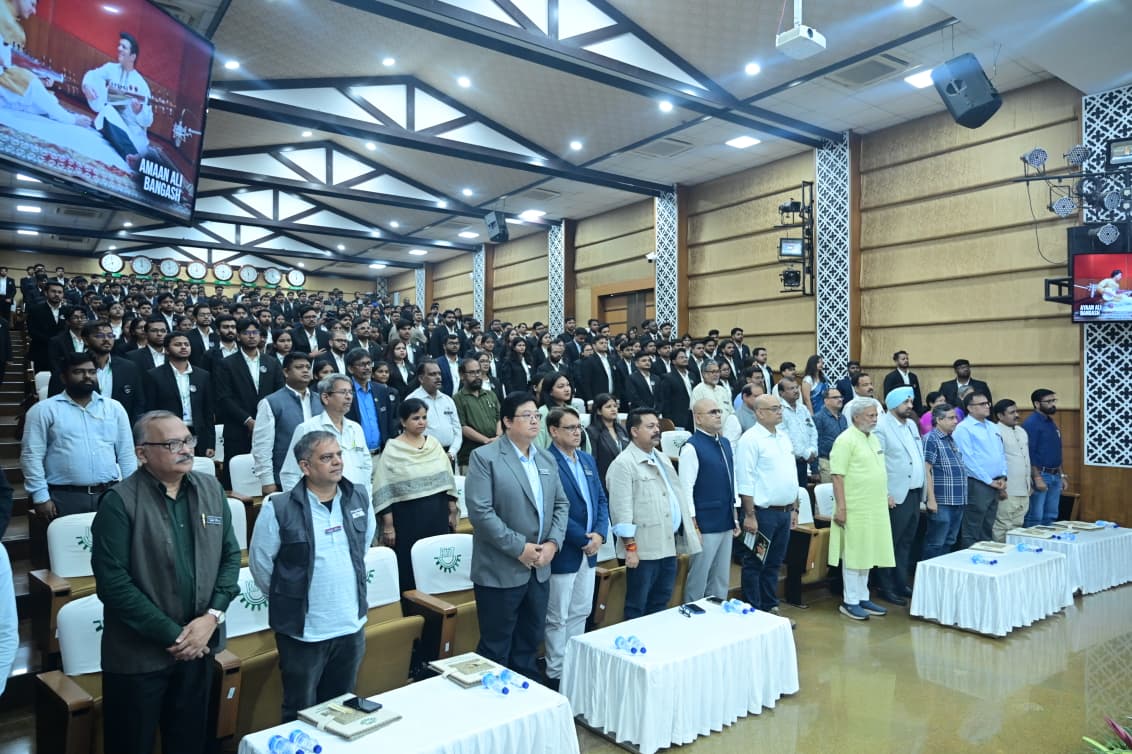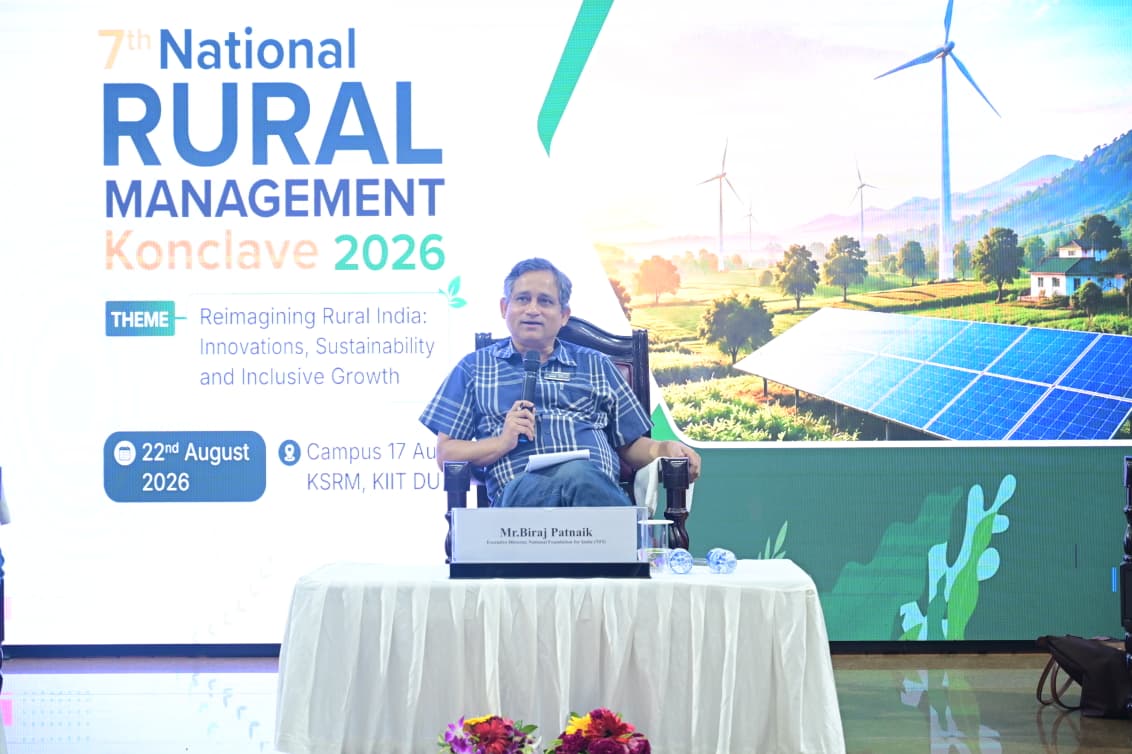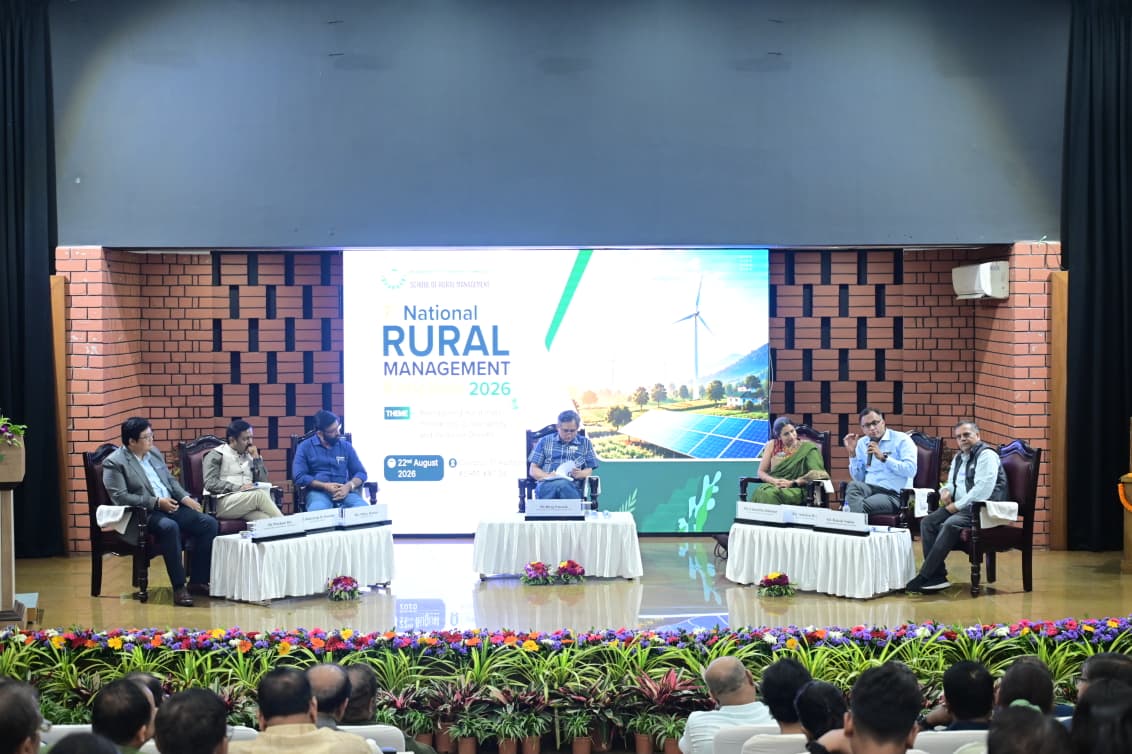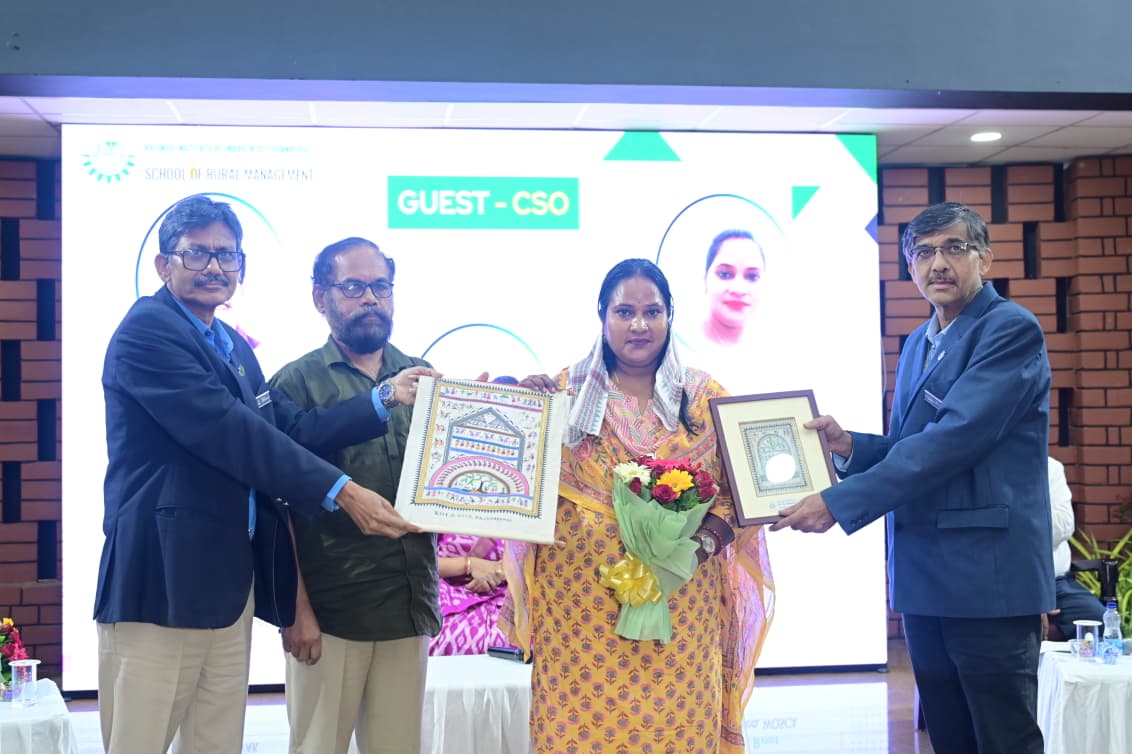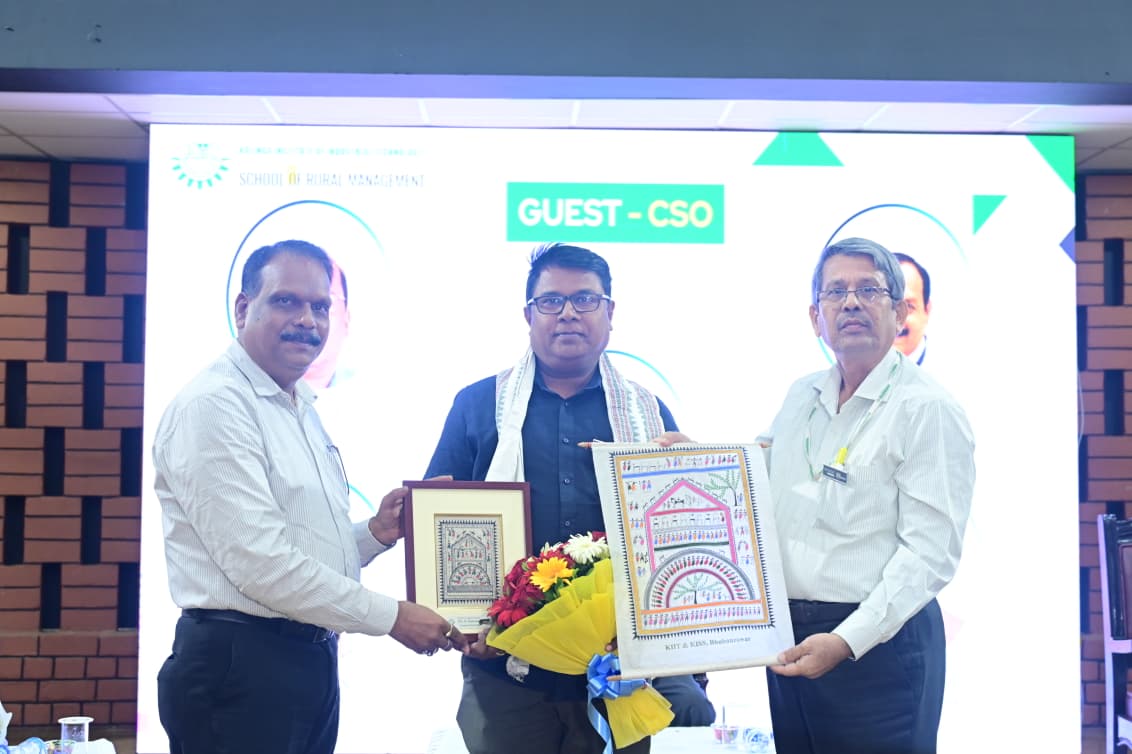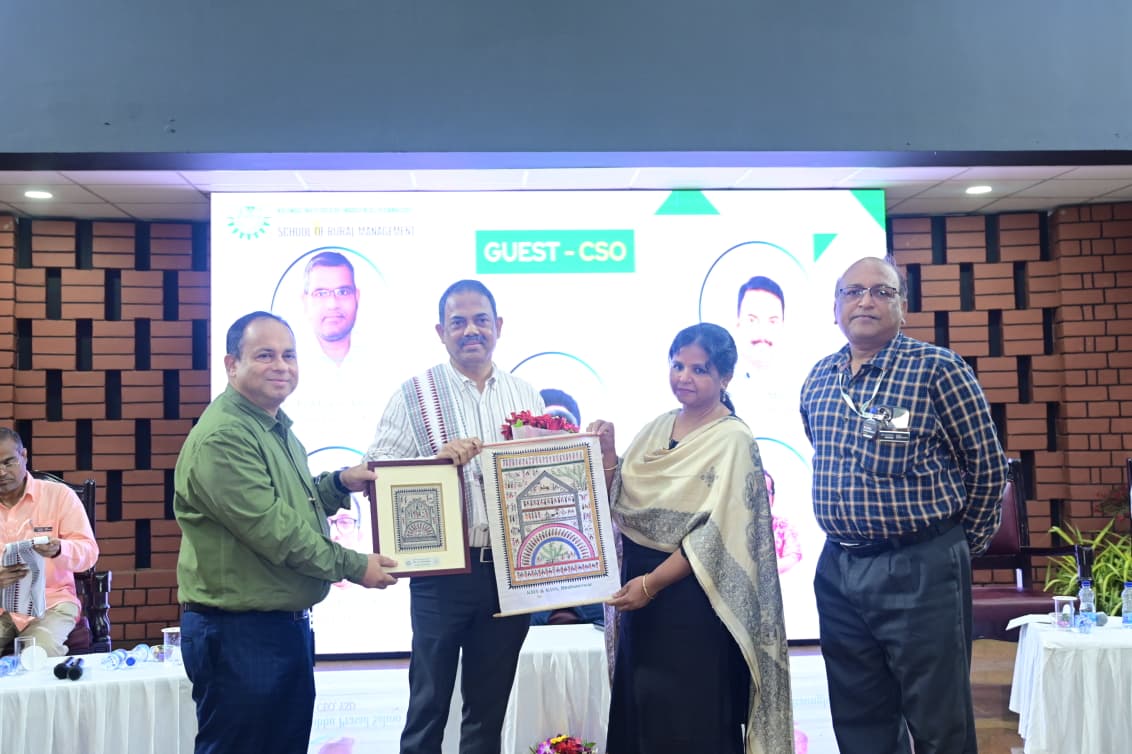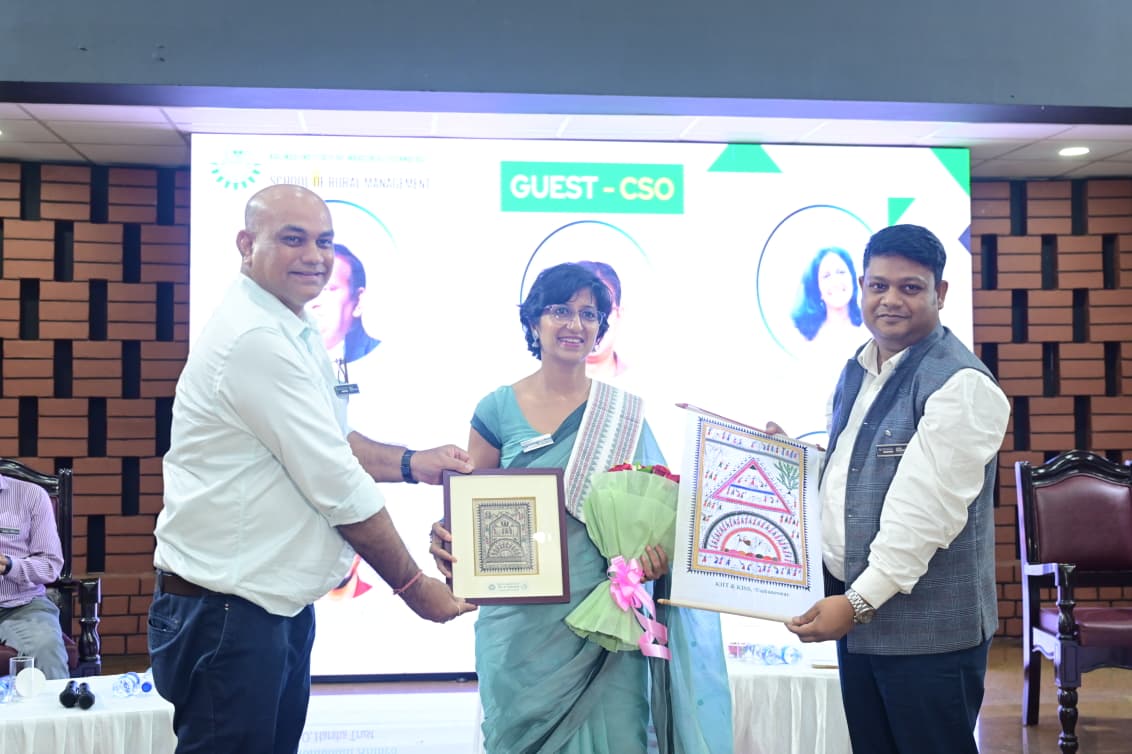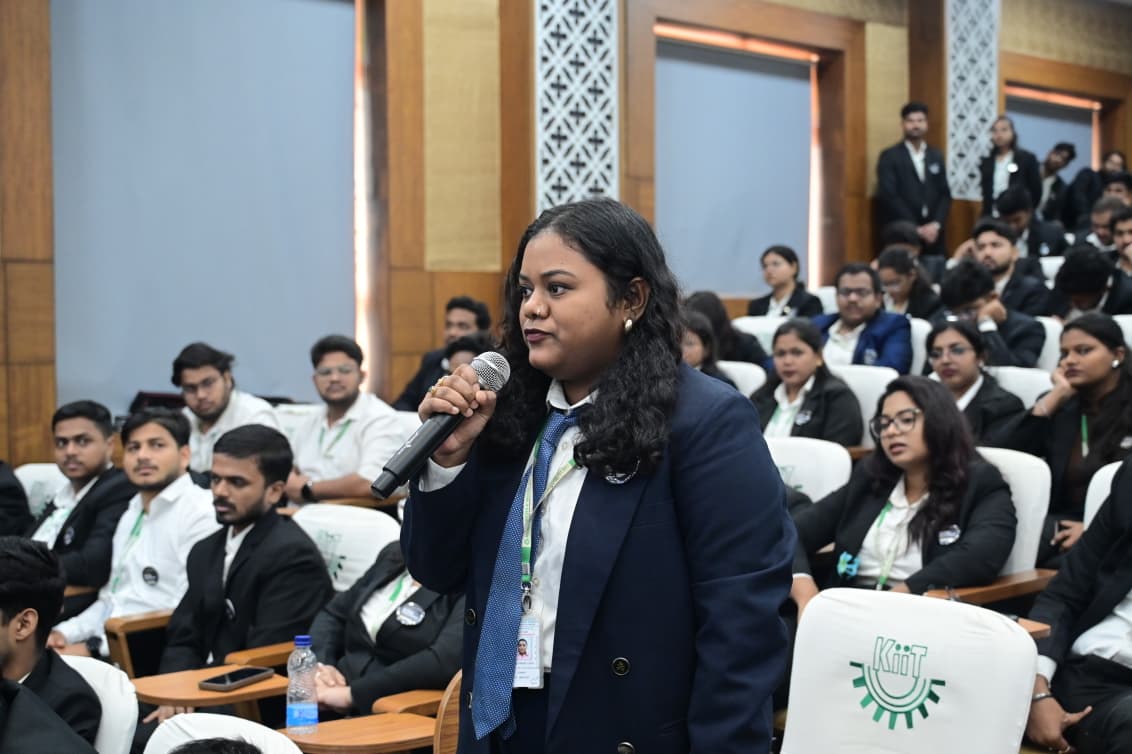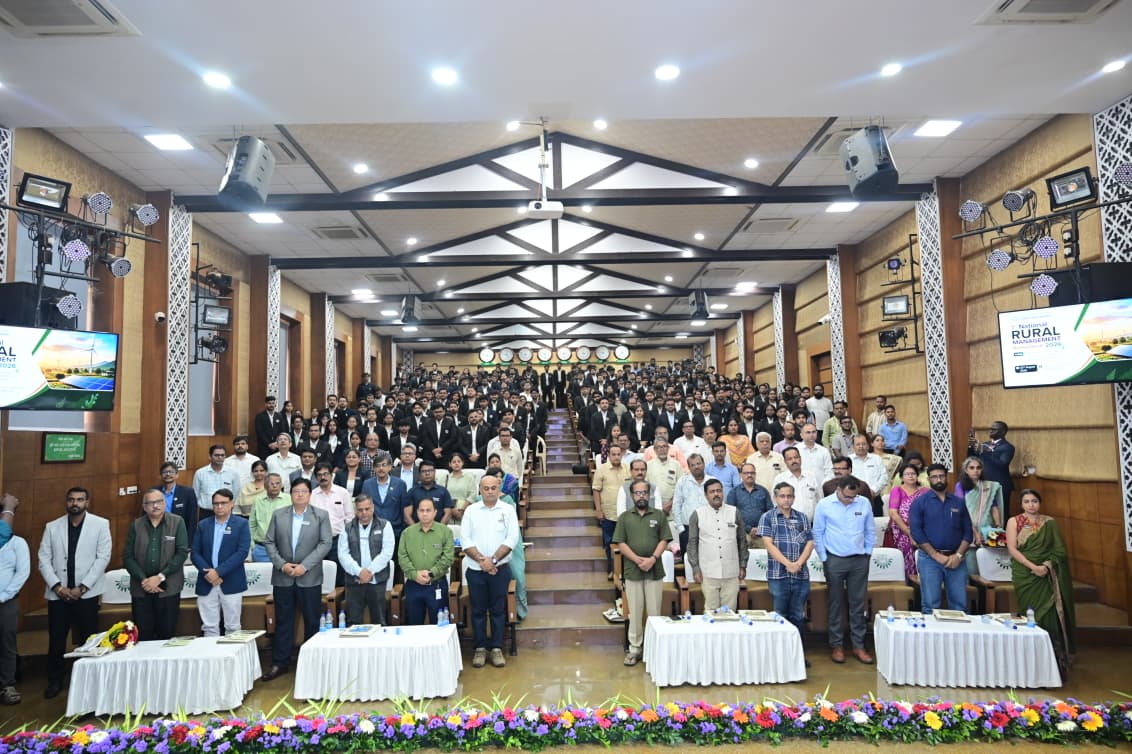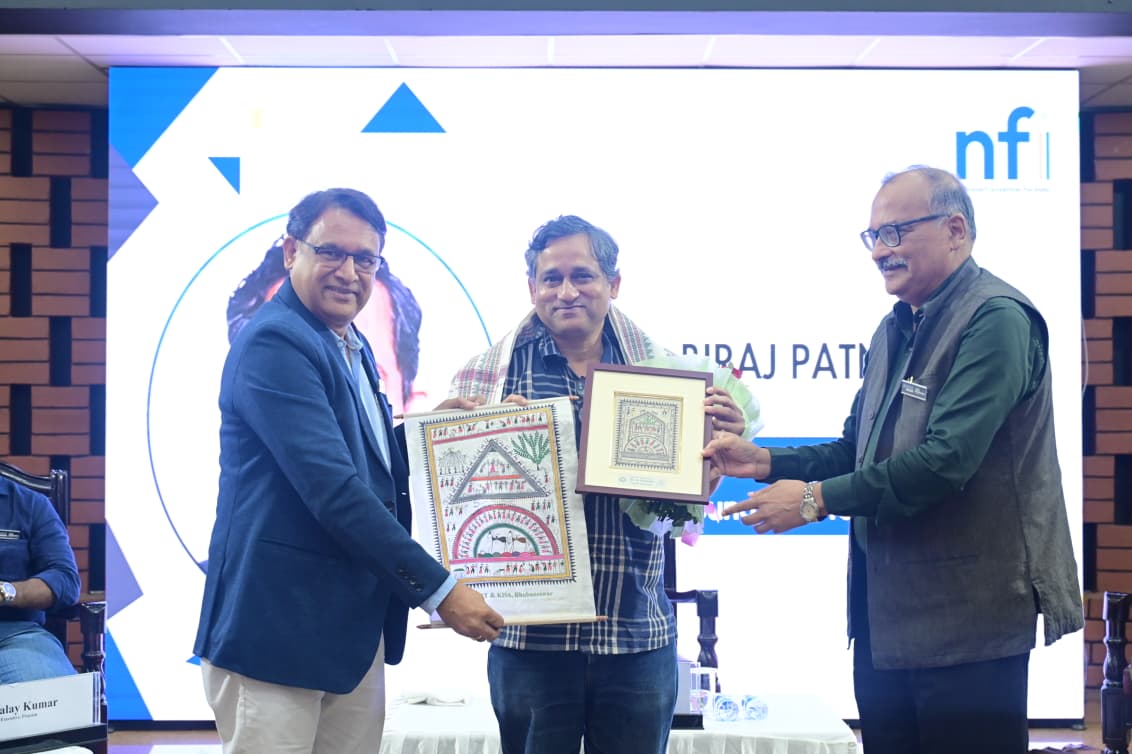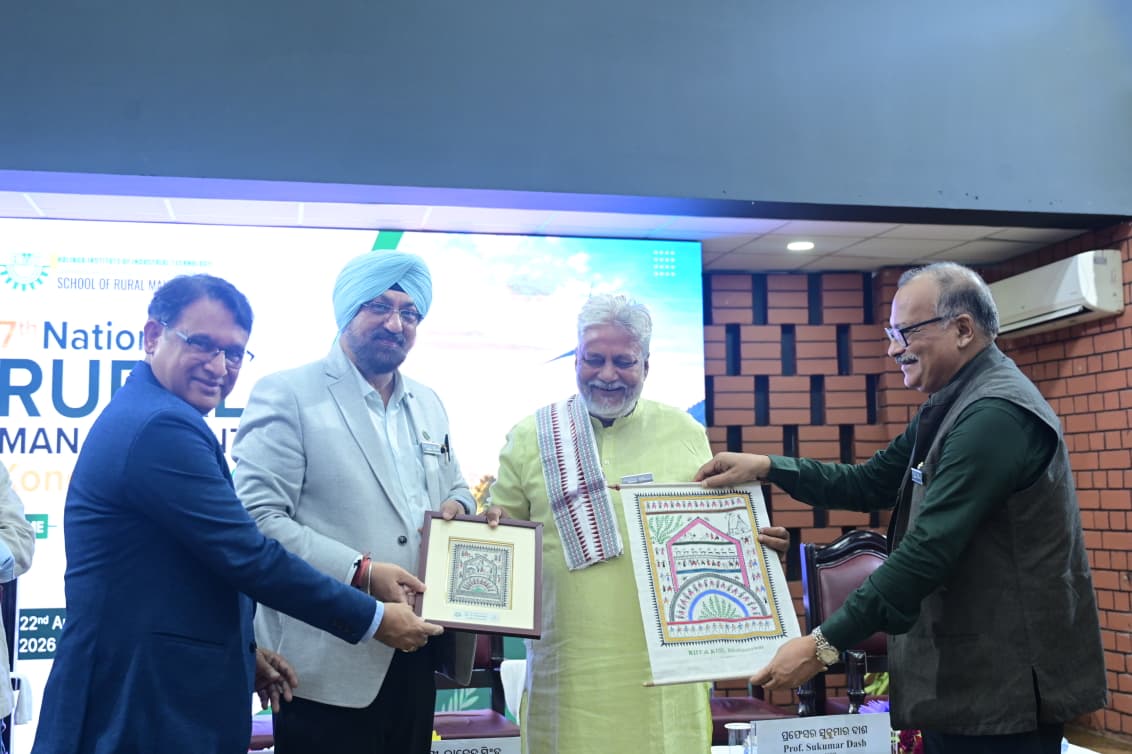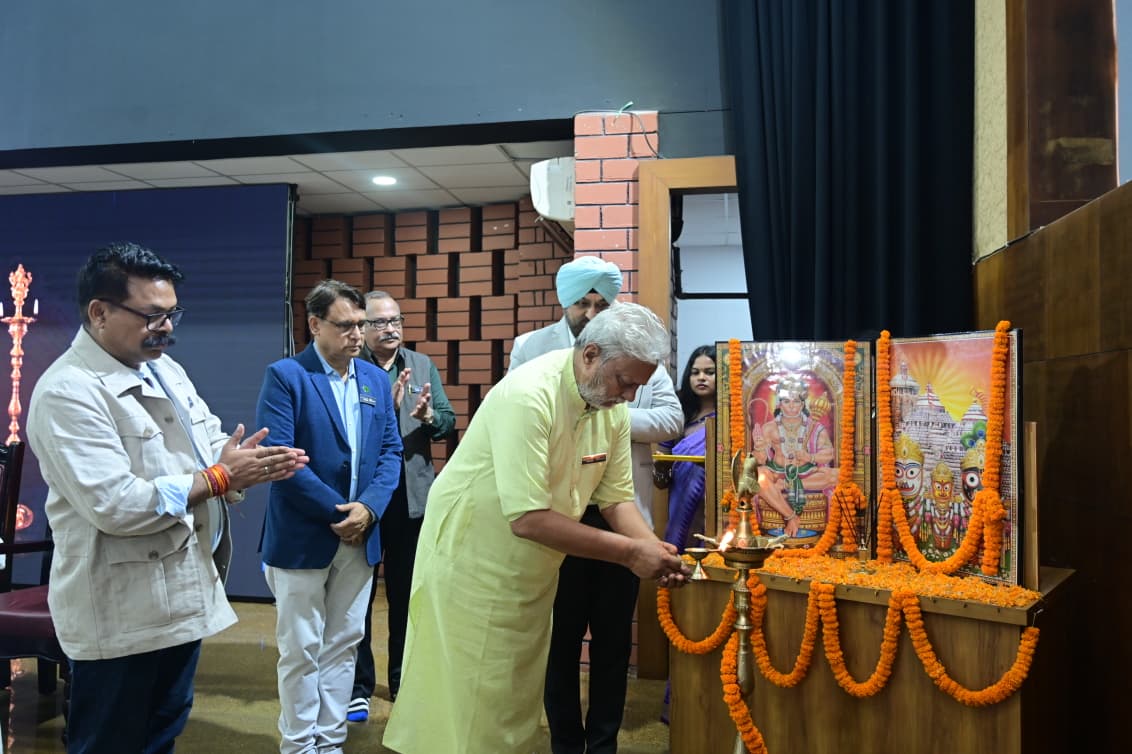
KIIT School of Rural Management (KSRM), KIIT Deemed to be University, hosted its 7th National Rural Management Conclave on August 22, 2026, on the theme “Reimagining Rural India: Innovations, Sustainability and Inclusive Growth.” The conclave brought together development practitioners, civil society leaders, academicians and students to deliberate on emerging pathways for rural transformation and their contribution to a sustainable and inclusive Viksit Bharat.
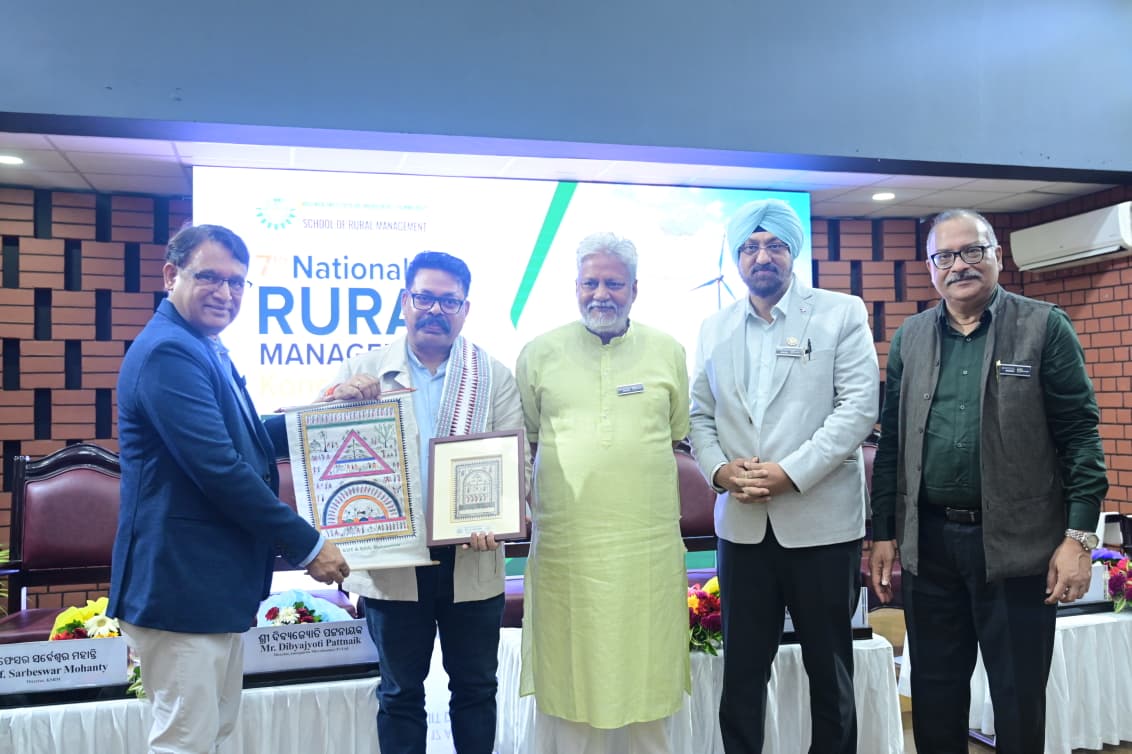
Setting the context, Prof. Surendra Jena, Convener, Rural Management Conclave, underscored the need to view rural transformation through the interconnected lenses of innovation, sustainability and inclusive growth, while bringing diverse stakeholders together to address contemporary rural challenges. Prof. Sarbeswar Mohanty, Director, KSRM, highlighted the centrality of rural communities to India’s development journey and emphasised the growing relevance of ESG, CSR, responsible business and community-centred approaches to sustainable growth.
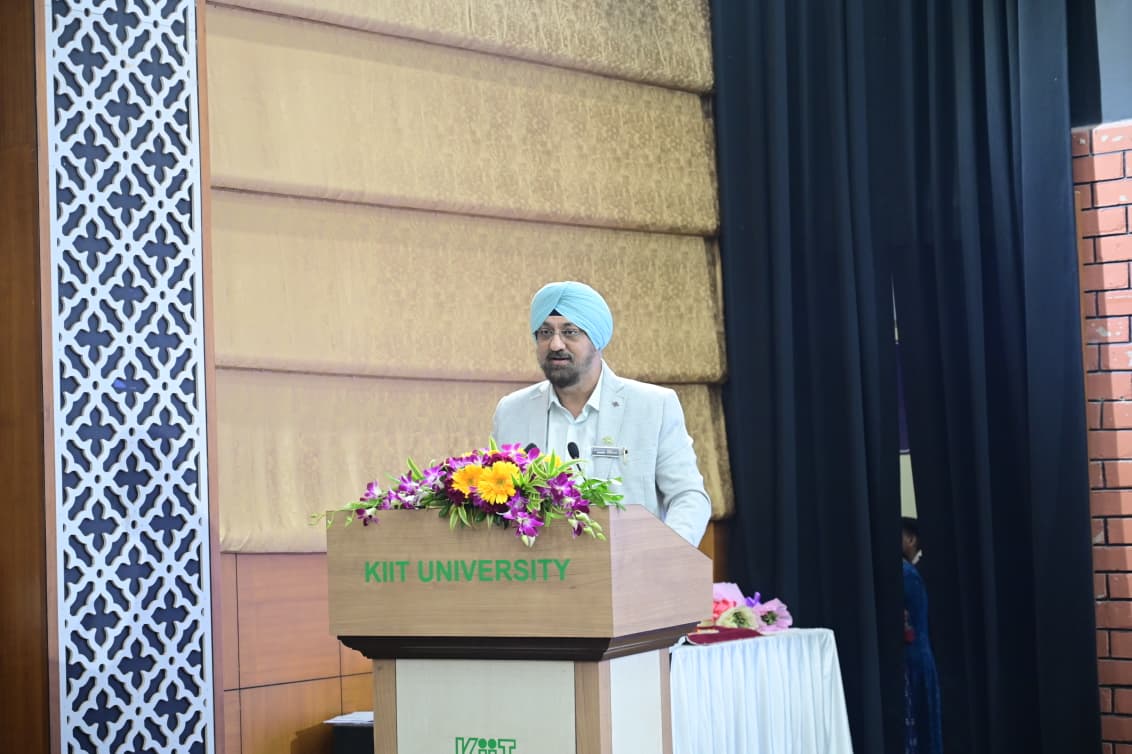
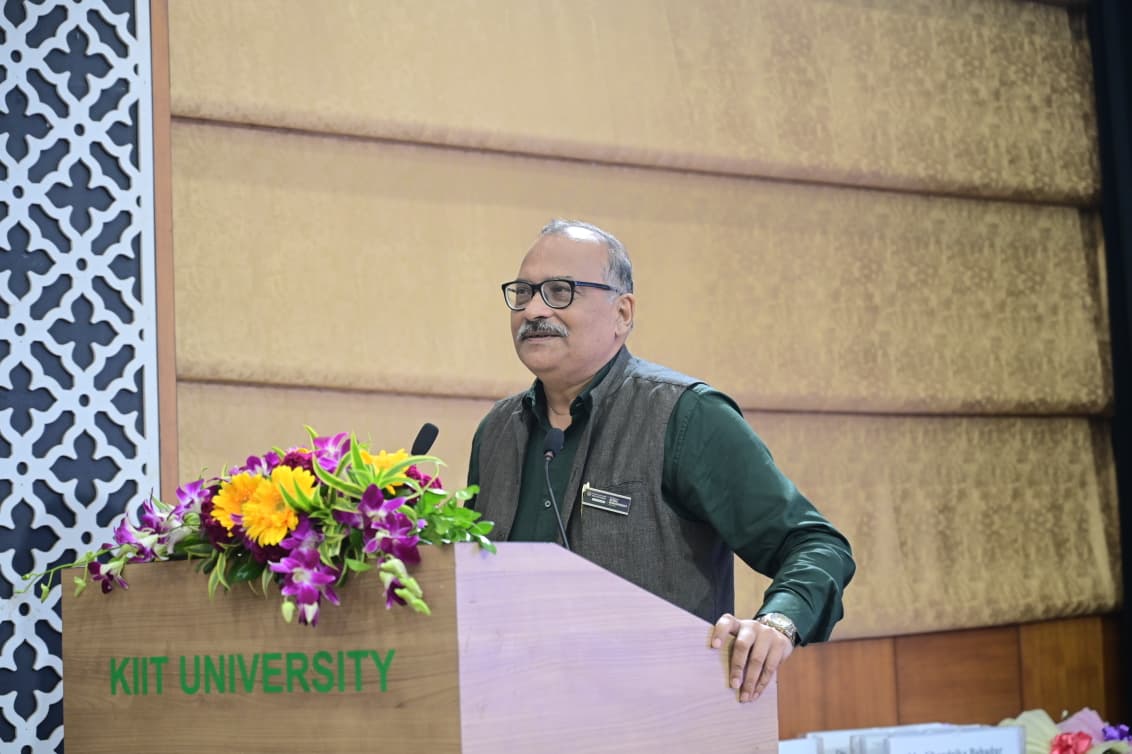
Prof. Saranjit Singh, Hon’ble Vice Chancellor, KIIT-DU, emphasised innovation as a catalyst for rural transformation, drawing attention to its potential across agriculture, education, entrepreneurship, cold-chain and supply-chain management. He stressed that technological advancement must remain connected to grassroots needs and contribute to stronger livelihoods and opportunities for rural communities.
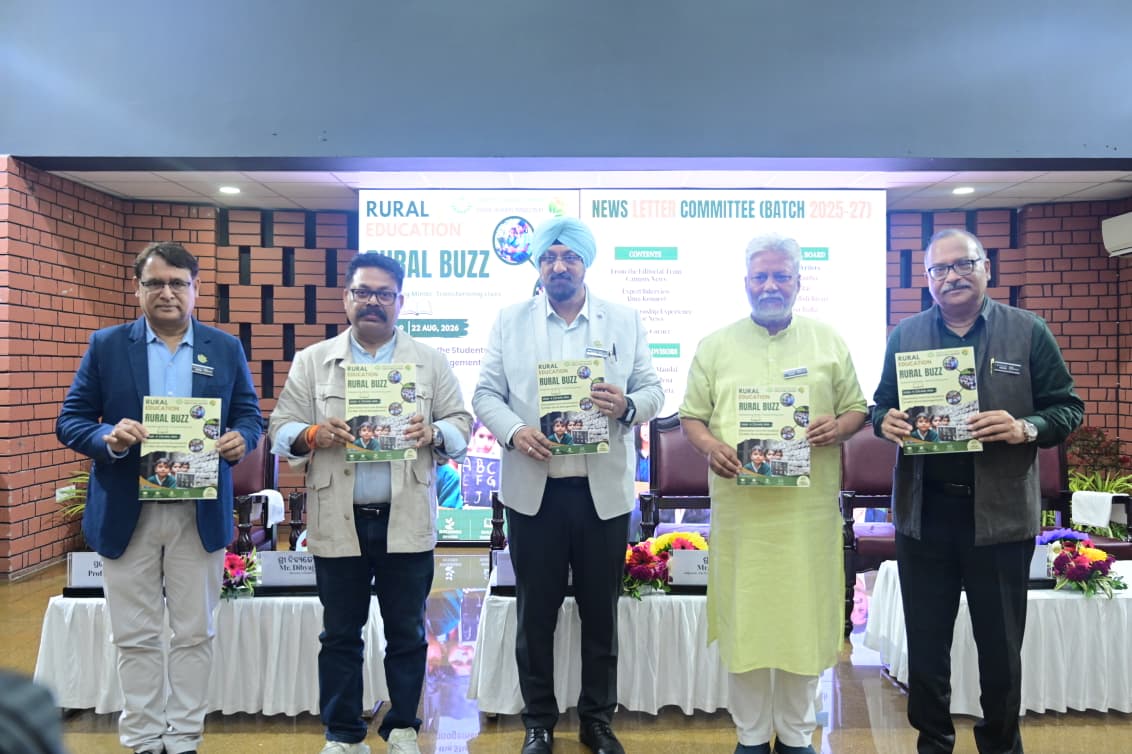
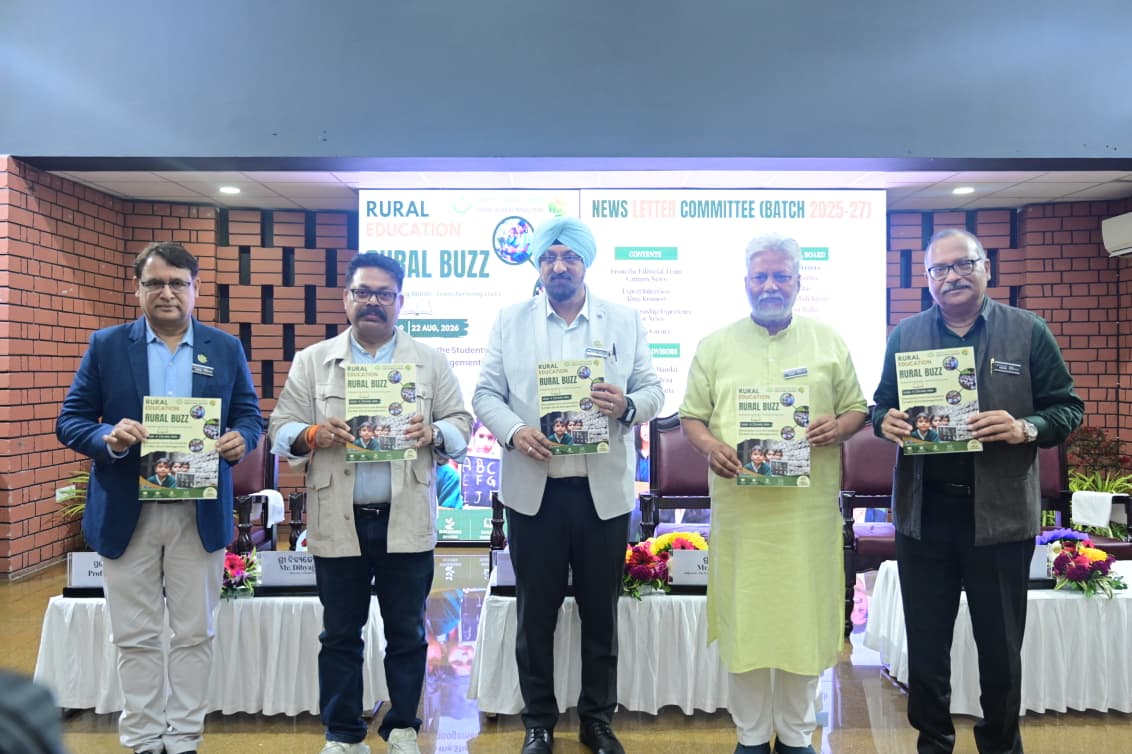
The conclave also witnessed the release of “Rural Buzz,” the Rural Management newsletter of KSRM. Mr. Dibyajyoti Pattnaik, Director, Annapurna Microfinance (P) Ltd. and Guest of Honour, spoke on the role of responsible microfinance and financial inclusion in strengthening rural livelihoods and expanding economic opportunities.
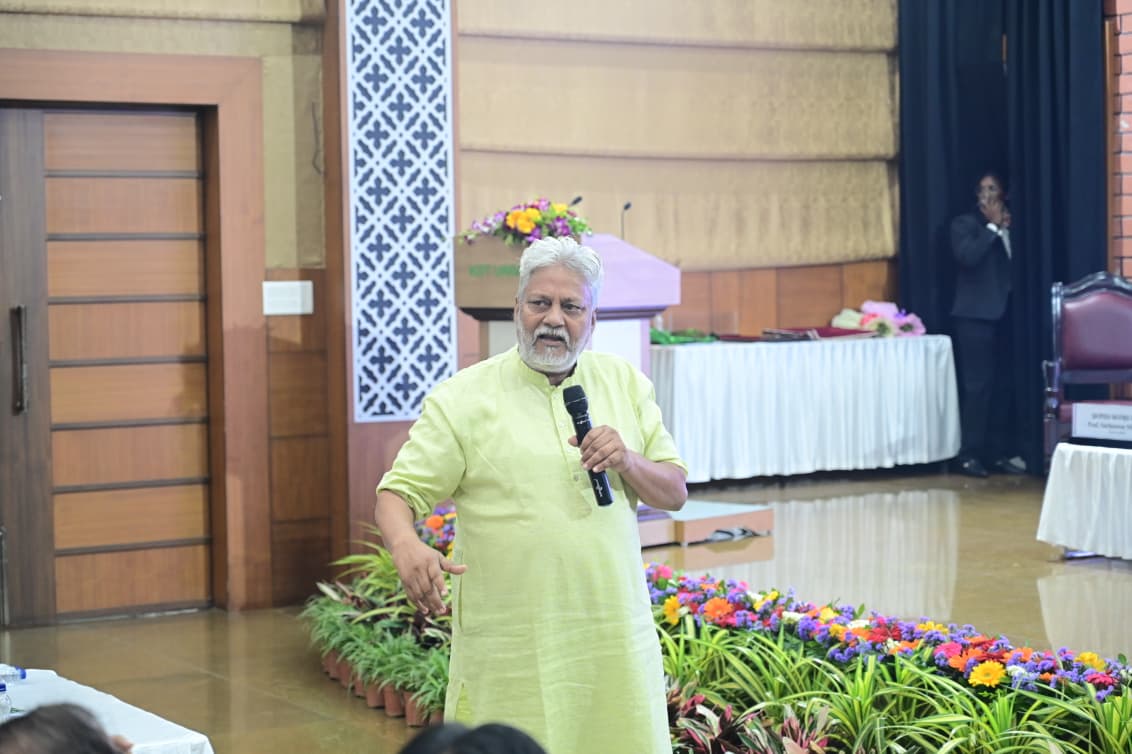
The Keynote Address by Shri Rajendra Singh, Waterman of India and Ramon Magsaysay Award recipient, brought a strong grassroots perspective to the deliberations. Drawing on his extensive experience, he highlighted the importance of education, community participation and local knowledge, alongside an understanding of soil, geology, water systems and river basins. He emphasised decentralised, community-led water management and the integration of scientific and traditional knowledge for ecological restoration, sustainable livelihoods and community resilience.
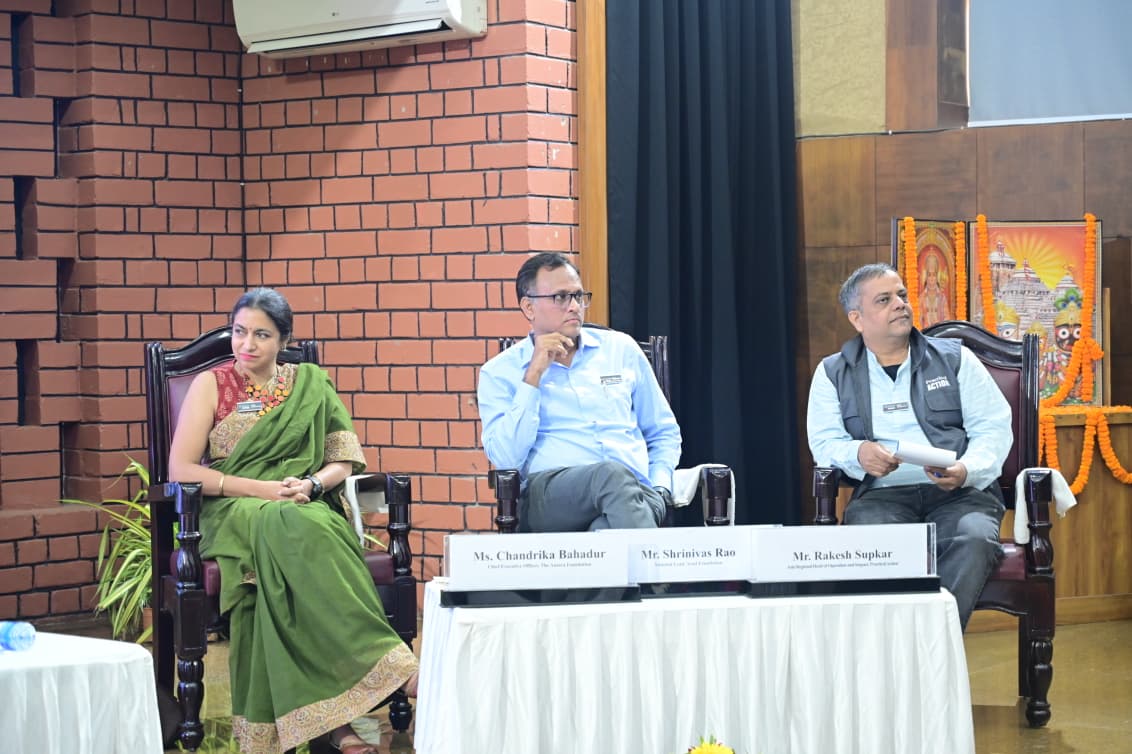
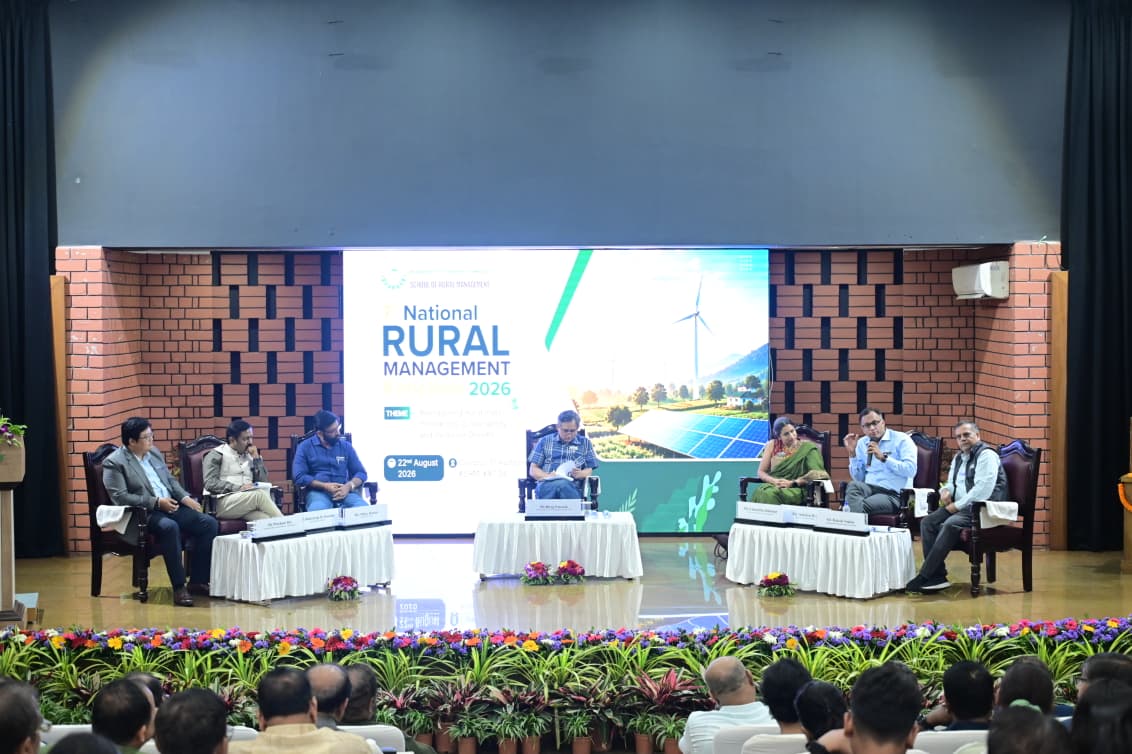
The conclave featured a panel discussion moderated by Mr. Biraj Patnaik, Executive Director, National Foundation for India (NFI), with Ms. Chandrika Bahadur, CEO, The Antara Foundation; Mr. Malay Kumar, Chief Executive, Prayatna; Mr. Srinivas Rao, National Lead, Azad Foundation; Dr. Basavaraju R. Shrestha, Executive Director, GRAAM; Mr. Rakesh Supakar, Asia Regional Head of Operations and Impact, Practical Action; and Mr. Prashant Rai, Chief People Officer, Spandana Sphoorty Finance Ltd.
The discussion traversed maternal and child health, gender inclusion, women’s economic empowerment, grassroots policymaking, sustainable livelihoods, appropriate technology, natural-resource management and rural finance. A common thread emerging from the deliberations was that innovation must remain rooted in community needs and local contexts, with technology complementing rather than displacing community knowledge and institutions.
The conclave concluded with a renewed understanding that a resilient and sustainable Viksit Bharat must be anchored in a strong rural India—one that advances economic opportunity alongside social inclusion, environmental sustainability, financial inclusion and community participation. The event provided a meaningful platform for dialogue between academia and the development sector, reinforcing KSRM’s commitment to shaping informed and responsible professionals for India’s rural transformation.