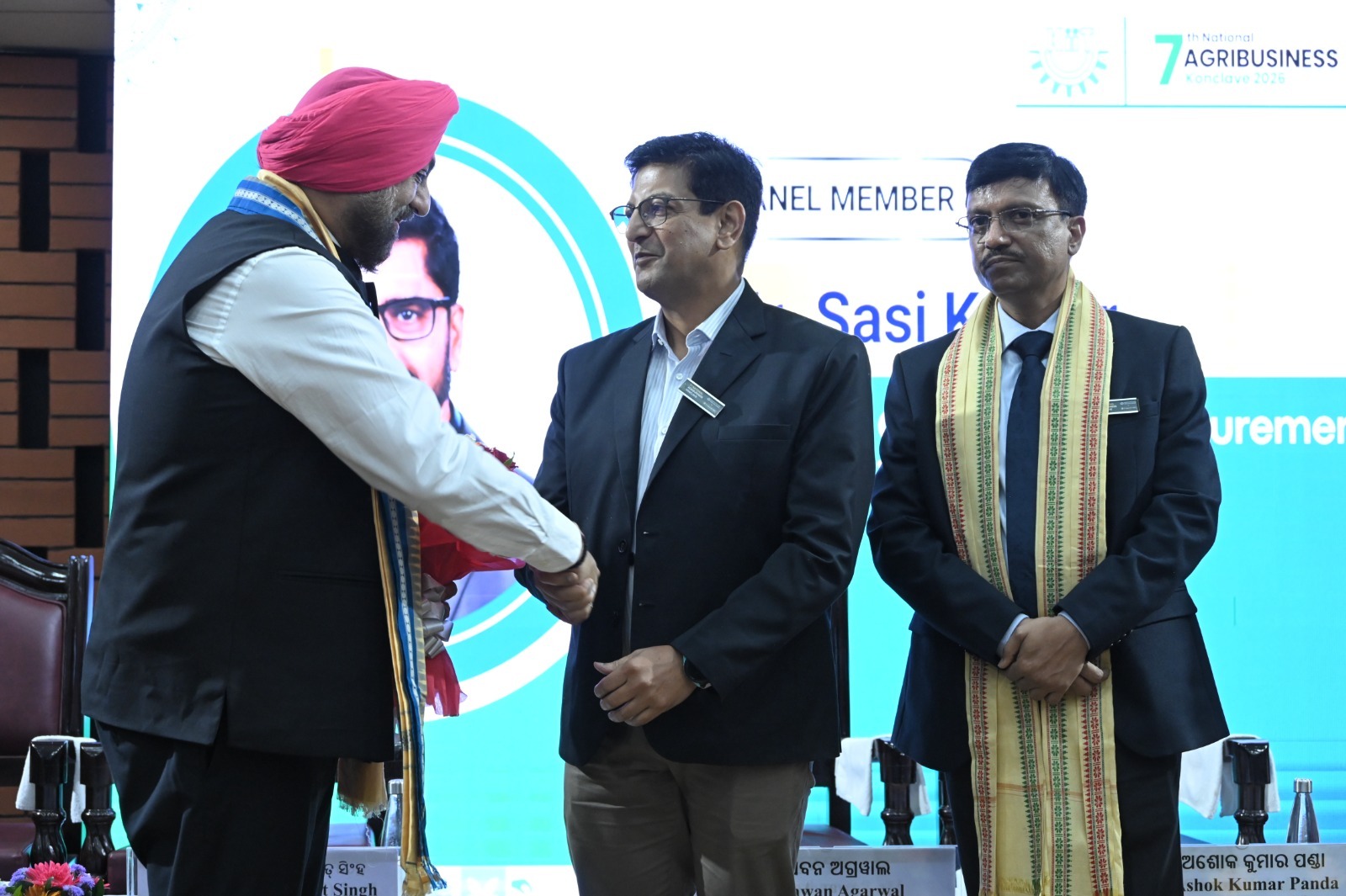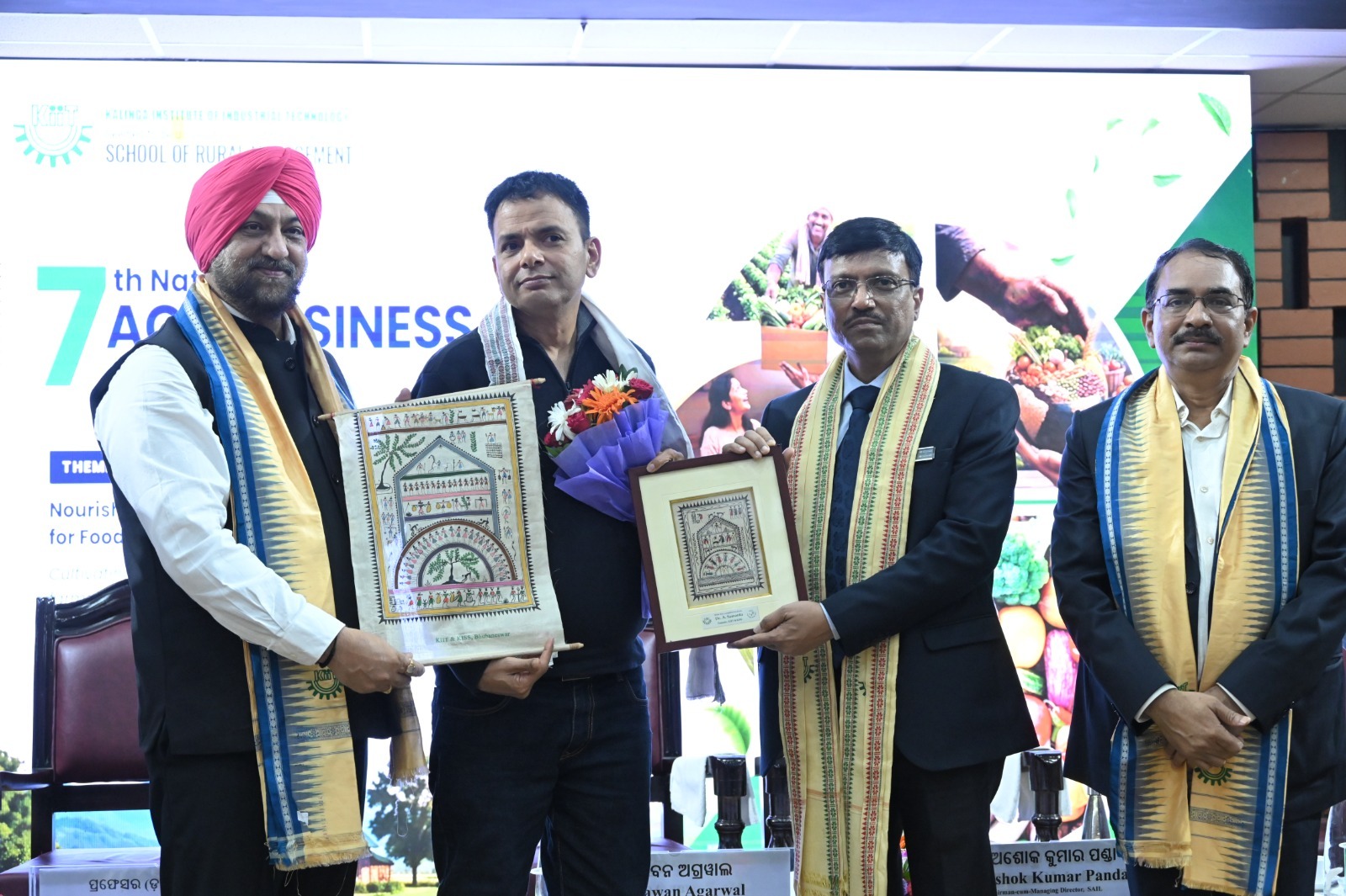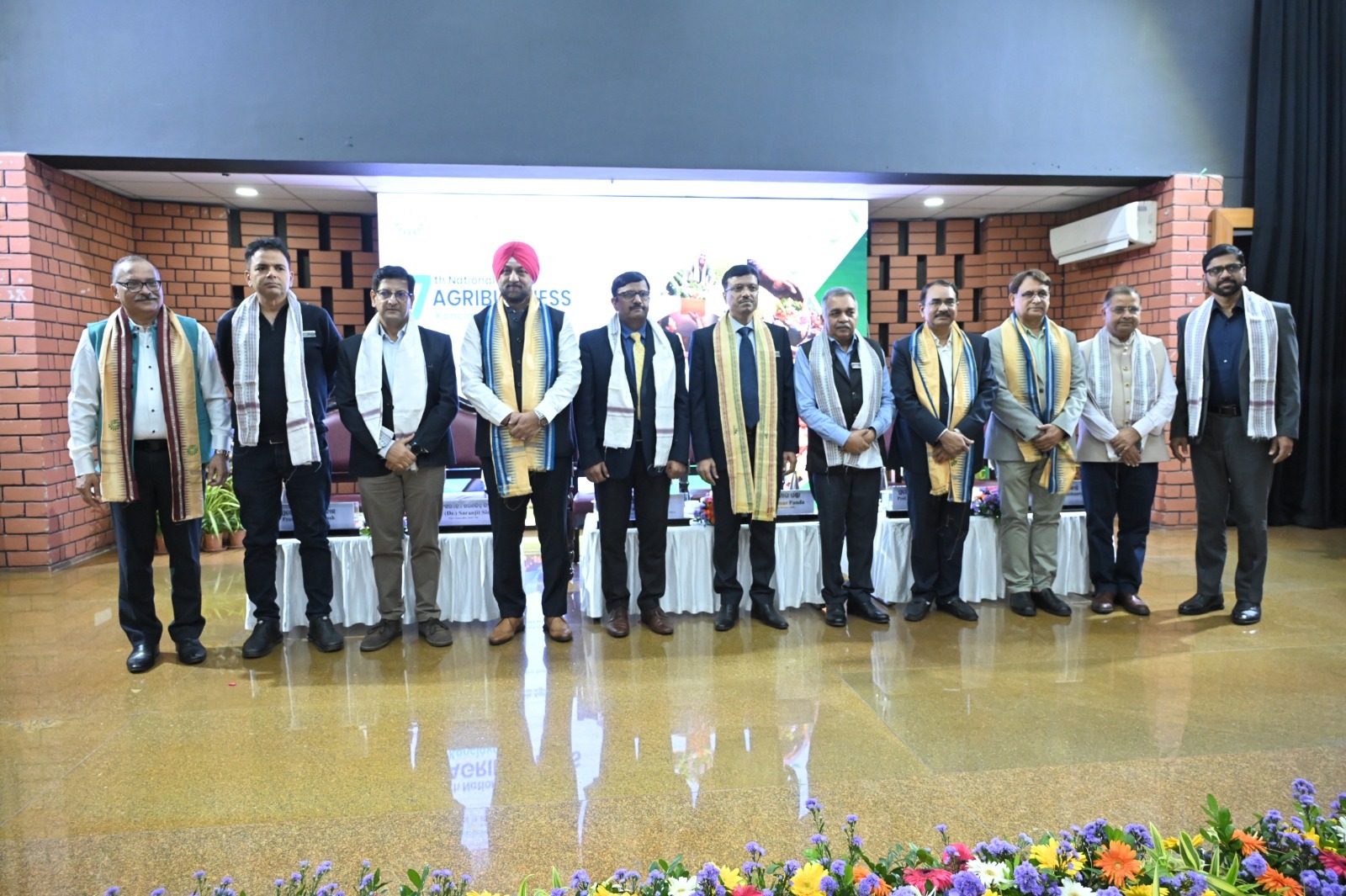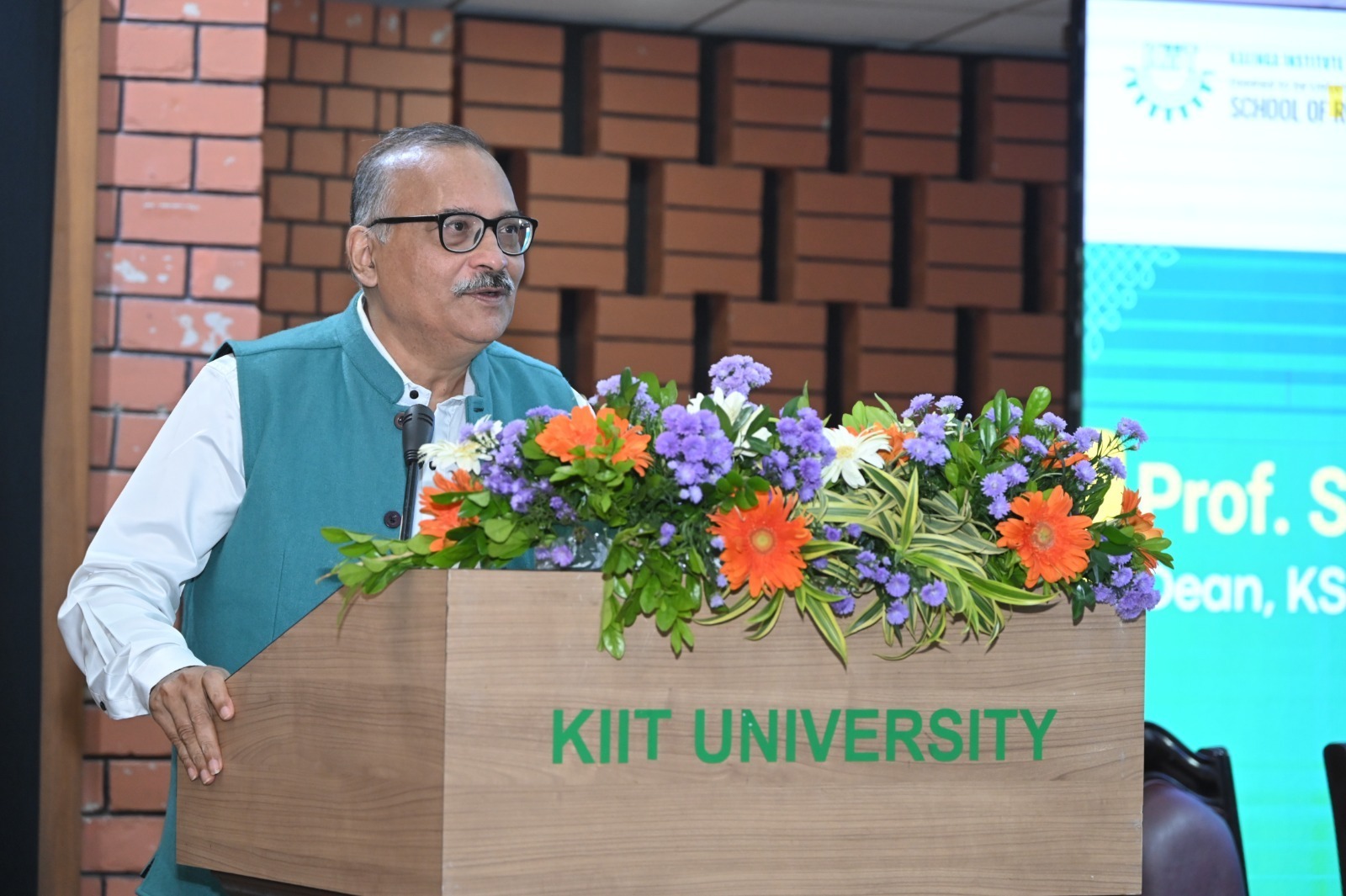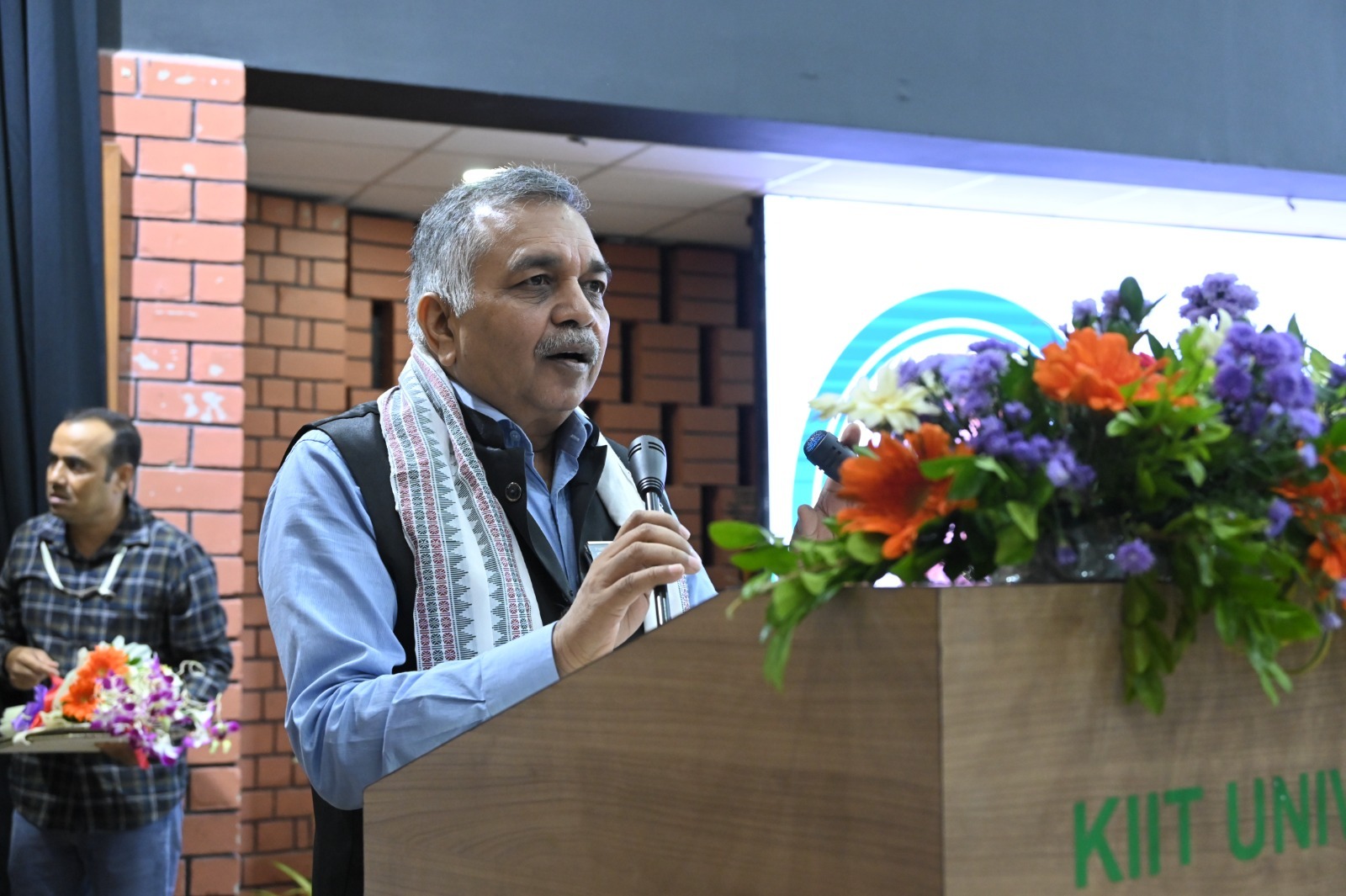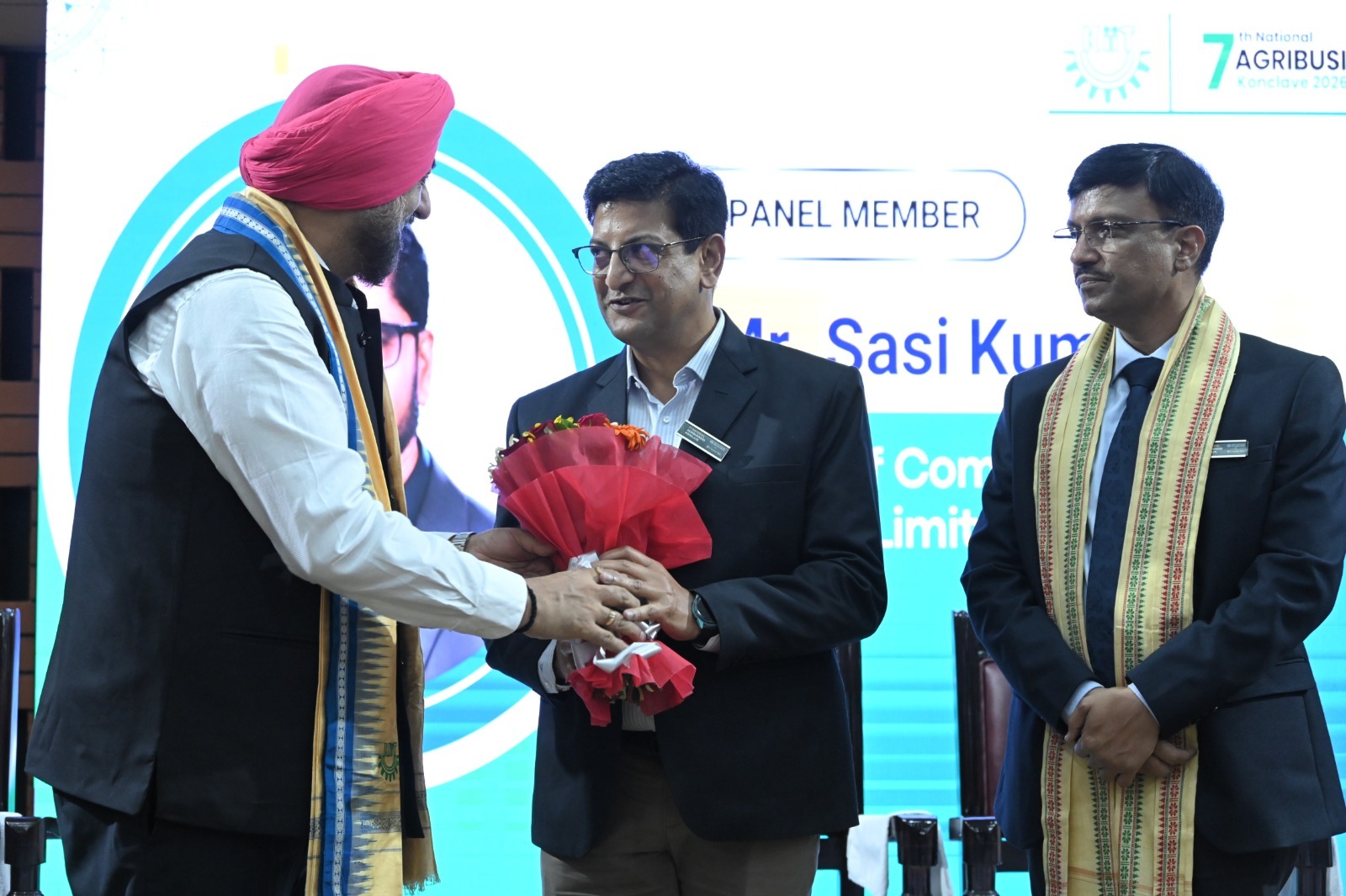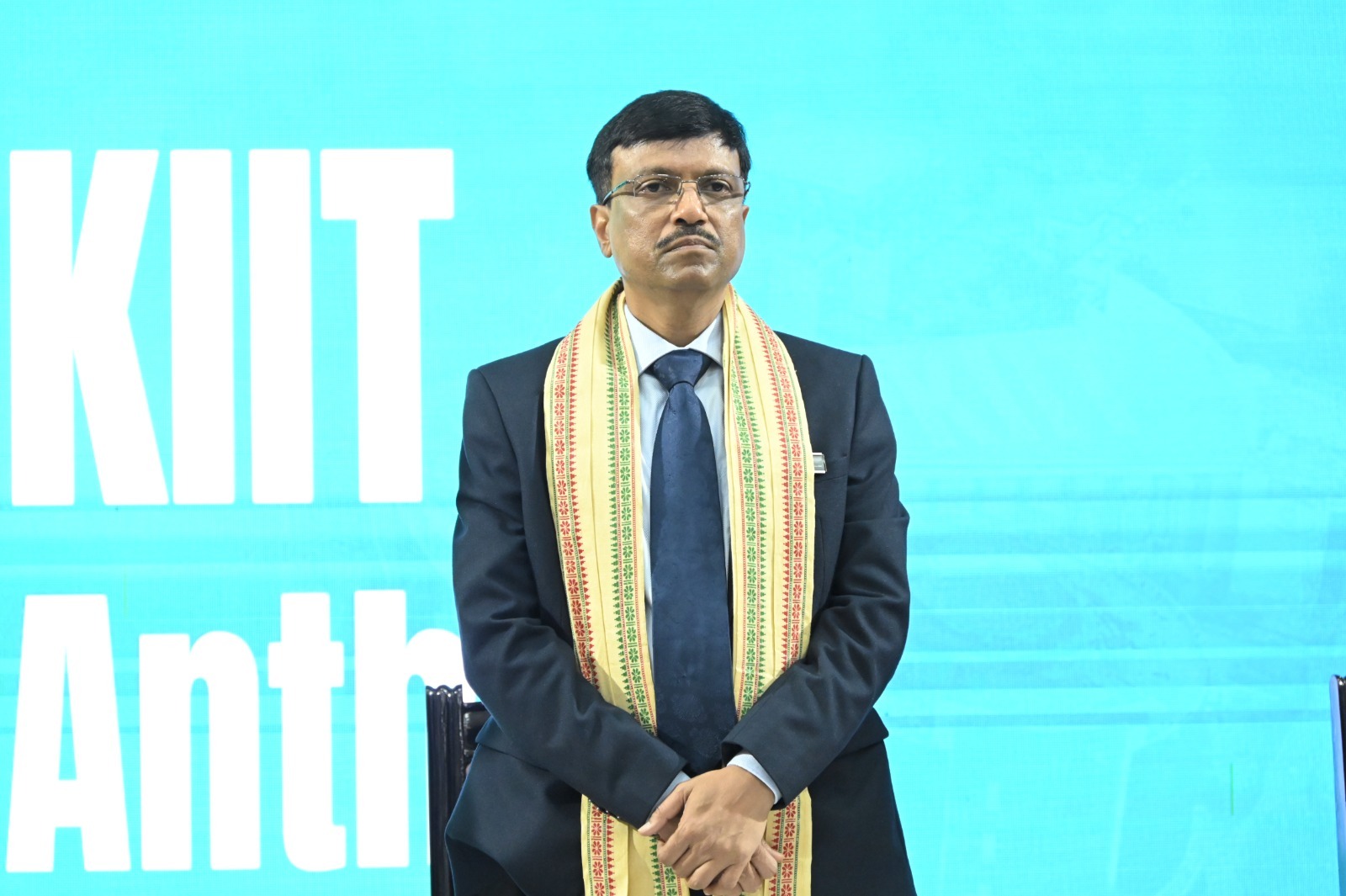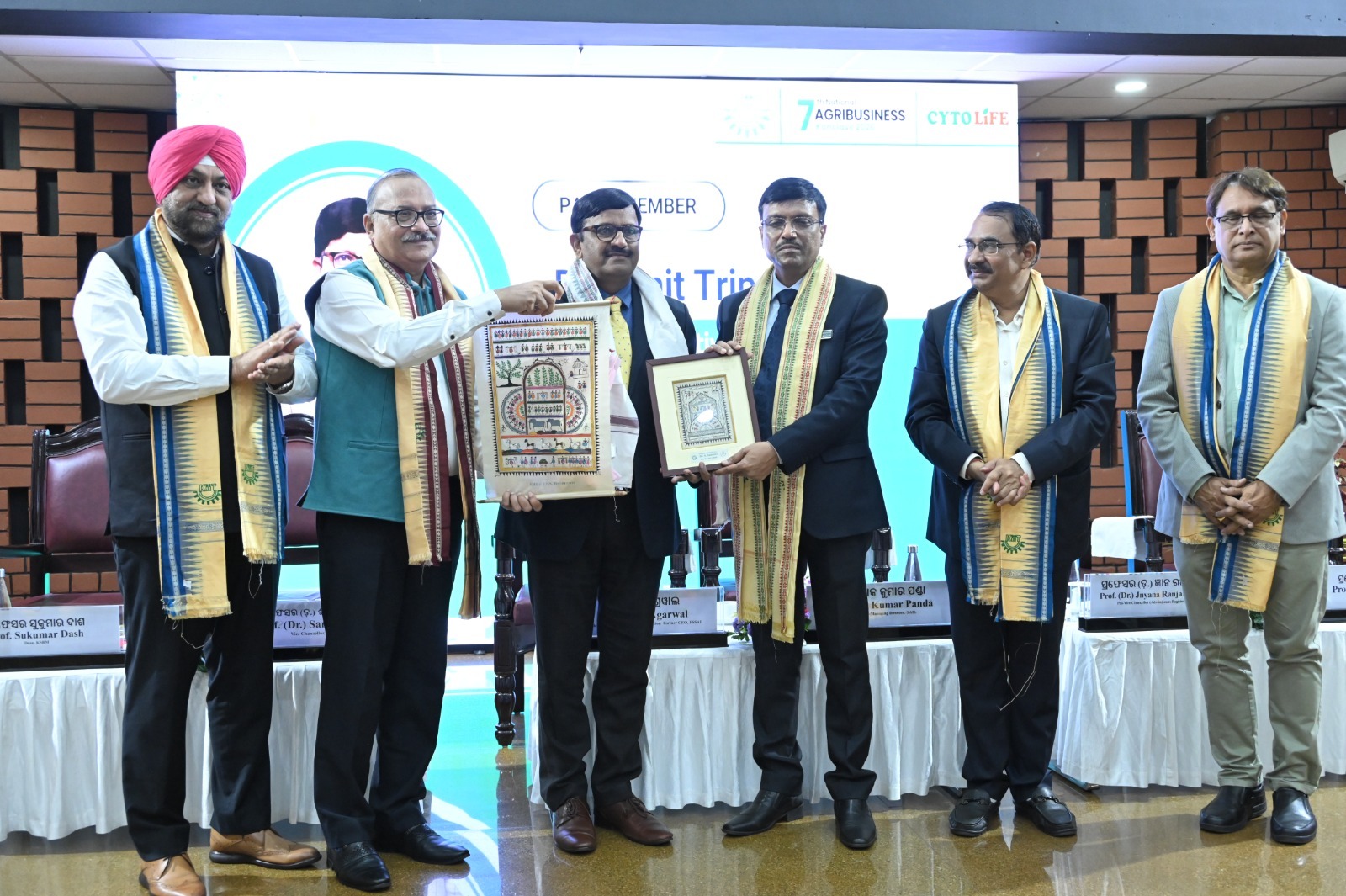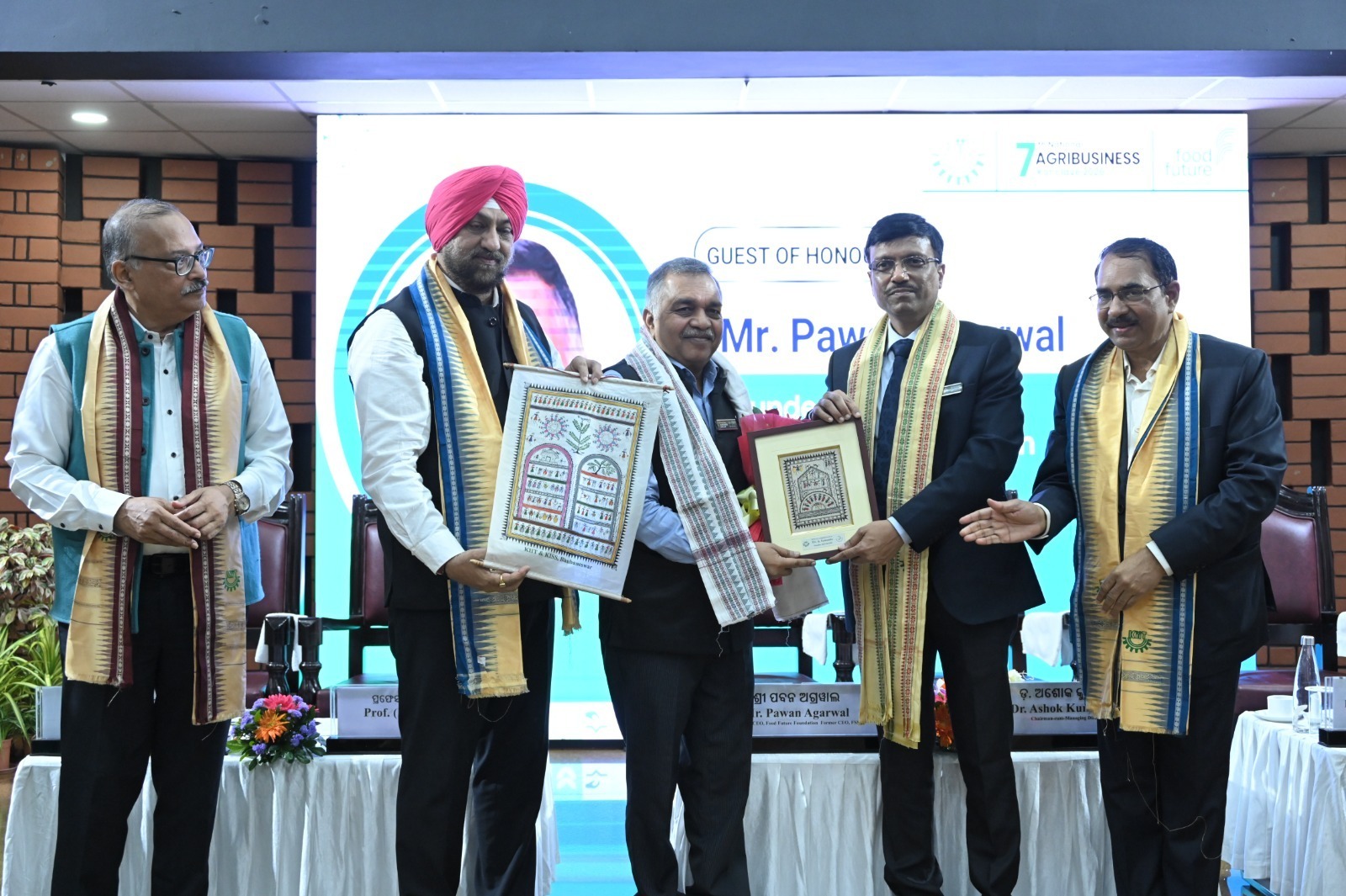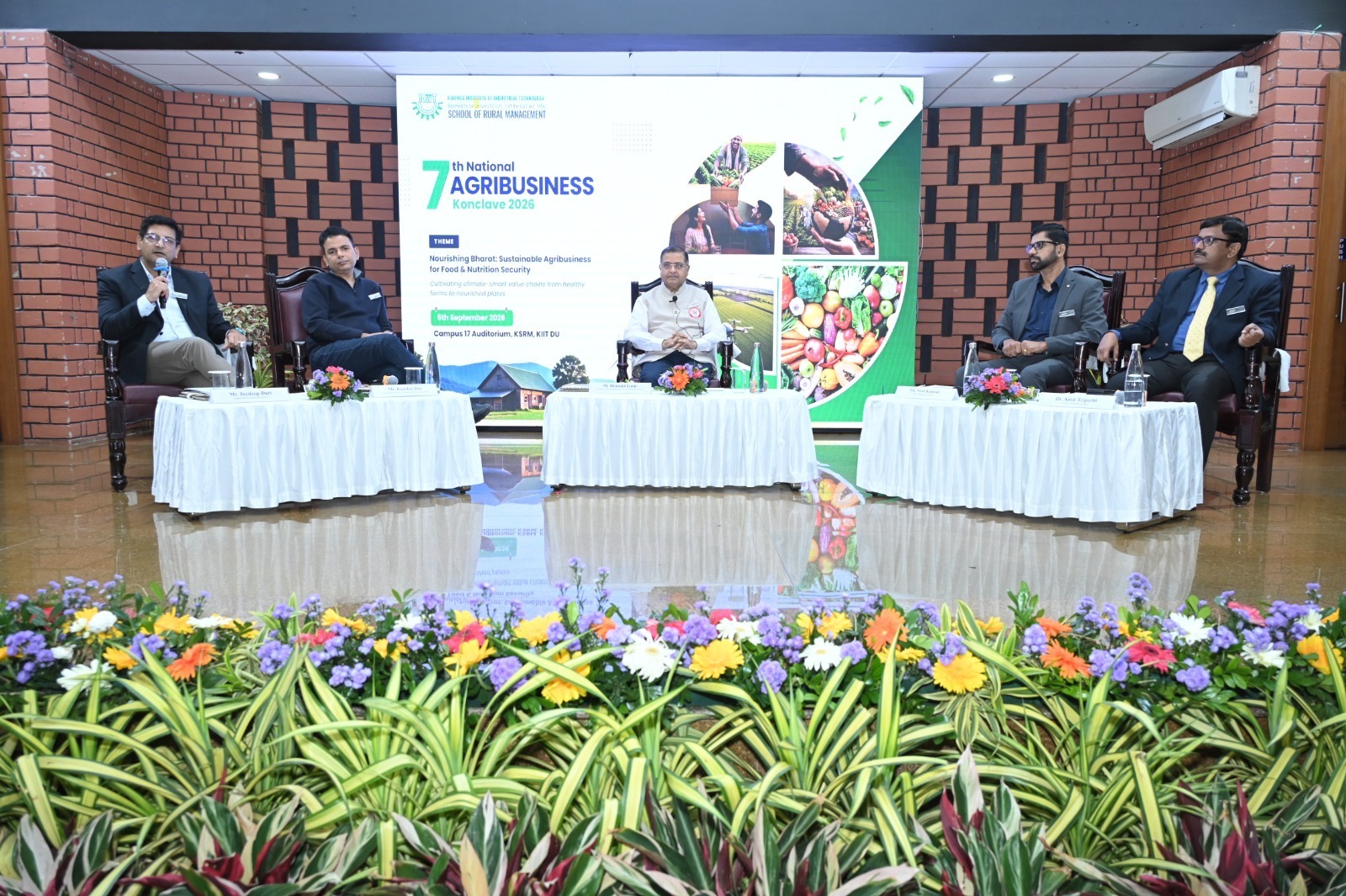
Bhubaneswar, 5 September 2026: The KIIT School of Rural Management (KSRM) organised the 7th National Agribusiness Conclave on the theme “Nourishing Bharat: Sustainable Agribusiness for Food & Nutrition Security”, bringing together distinguished industry leaders, development-sector experts, academicians and students to deliberate on the future of India’s agri-food ecosystem.
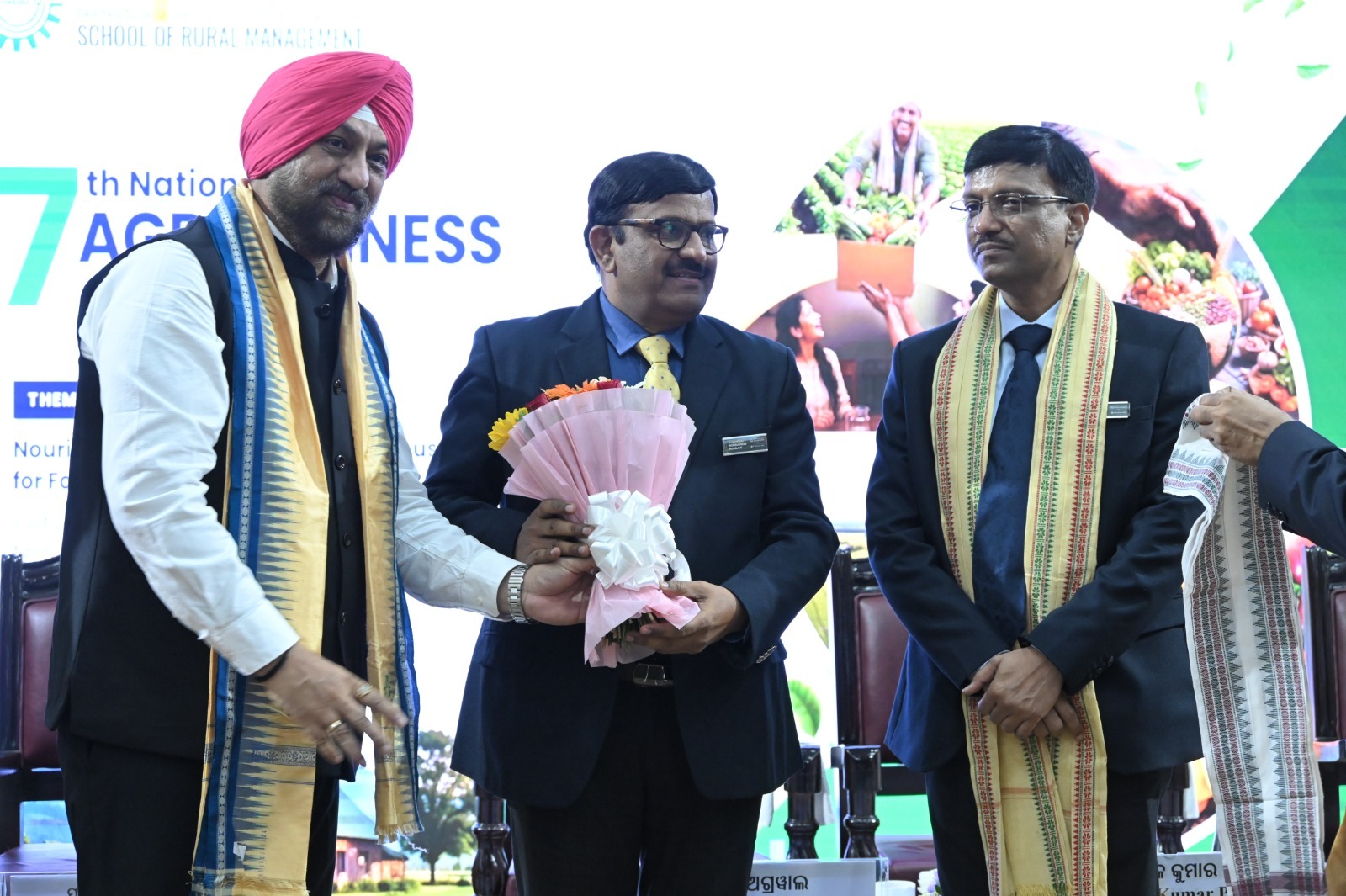
The Guest of Honour, Mr. Pawan Agarwal, Founder & CEO, Food Future Foundation and former CEO, FSSAI, delivered a wide-ranging address on the need to rethink India’s food system from the perspective of human health and nutrition. He emphasised that the focus must move beyond agricultural production and productivity towards an integrated chain connecting the farm, processing, nutrients, the plate and ultimately human health.
Drawing on global frameworks including the UN Food Summit, WHO perspectives and the EAT-Lancet Commission, Mr. Agarwal called for a holistic agri-food systems approach in which agricultural performance is assessed alongside nutrition outcomes, farmer prosperity and environmental sustainability.
He highlighted the coexistence of malnutrition and lifestyle-related health risks in India and stressed that food processing can play a constructive role through improved safety, shelf life and fortification, provided it is accompanied by better nutrition. Looking ahead, he identified “healthy convenience”—affordable, safe and convenient food with better-quality protein from pulses, legumes, whole grains and millets—as a major opportunity for India’s food industry. He concluded with a powerful reframing of the national challenge: the question is no longer simply how to feed India, but how to nourish it.
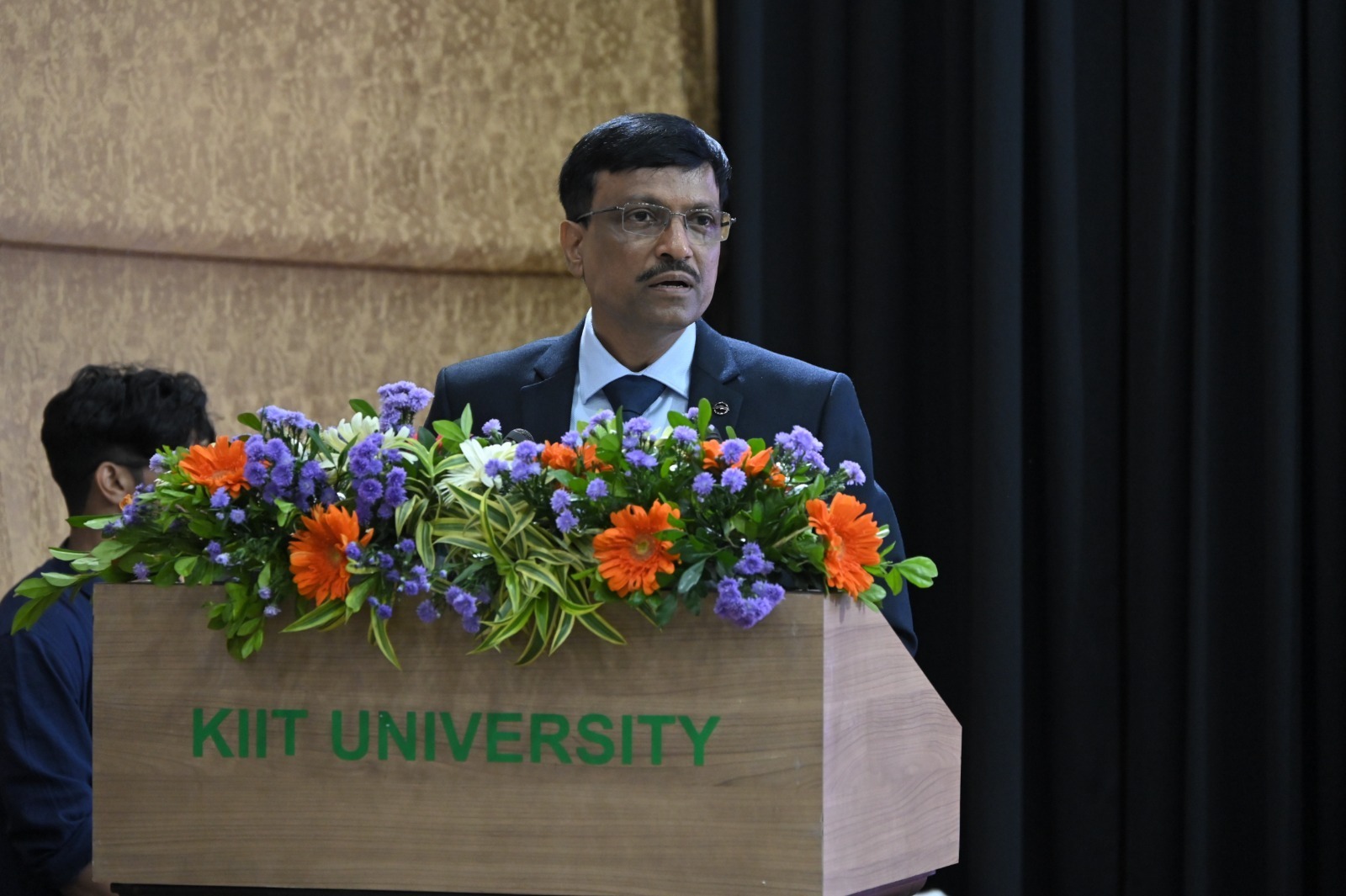
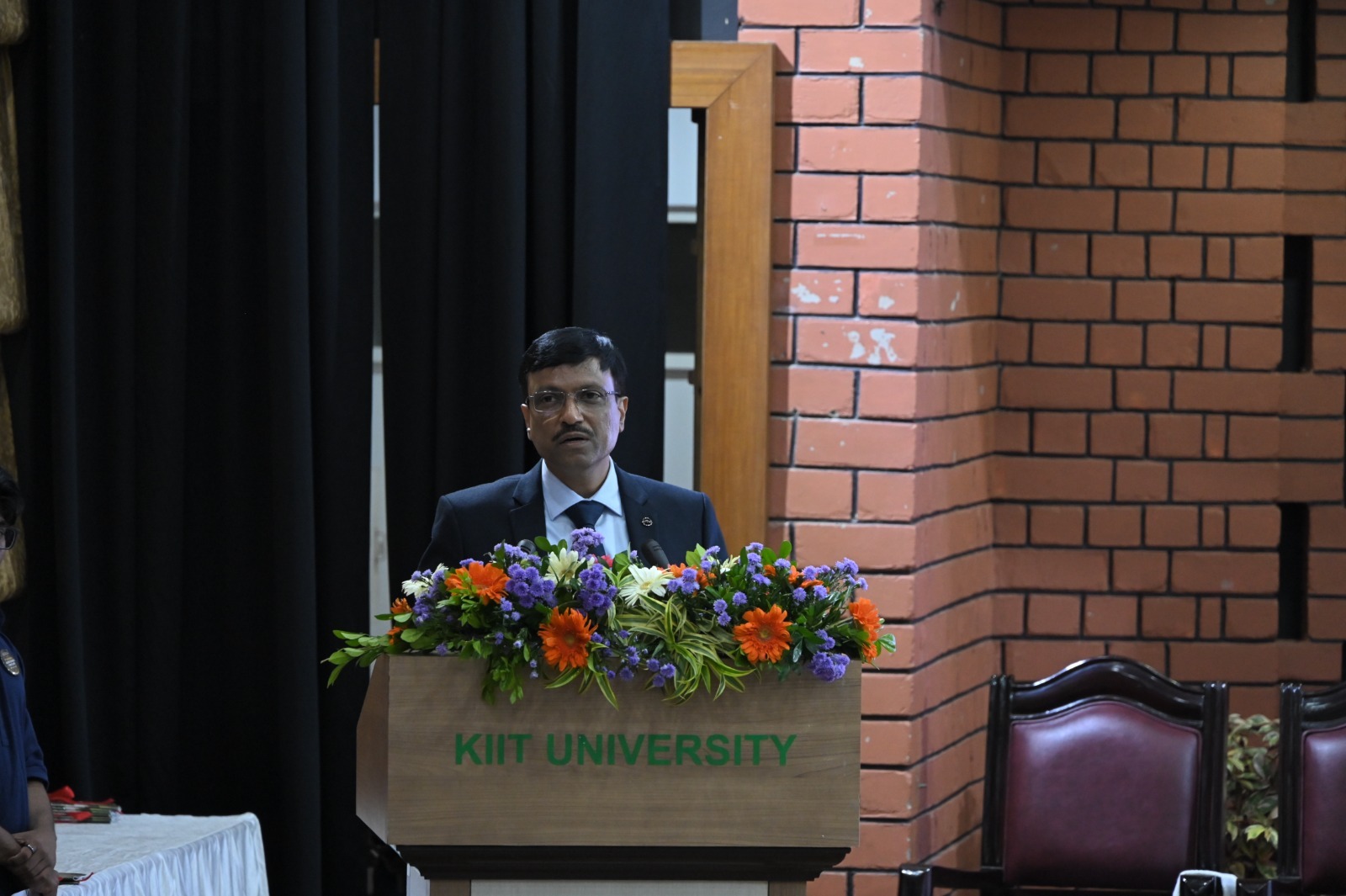
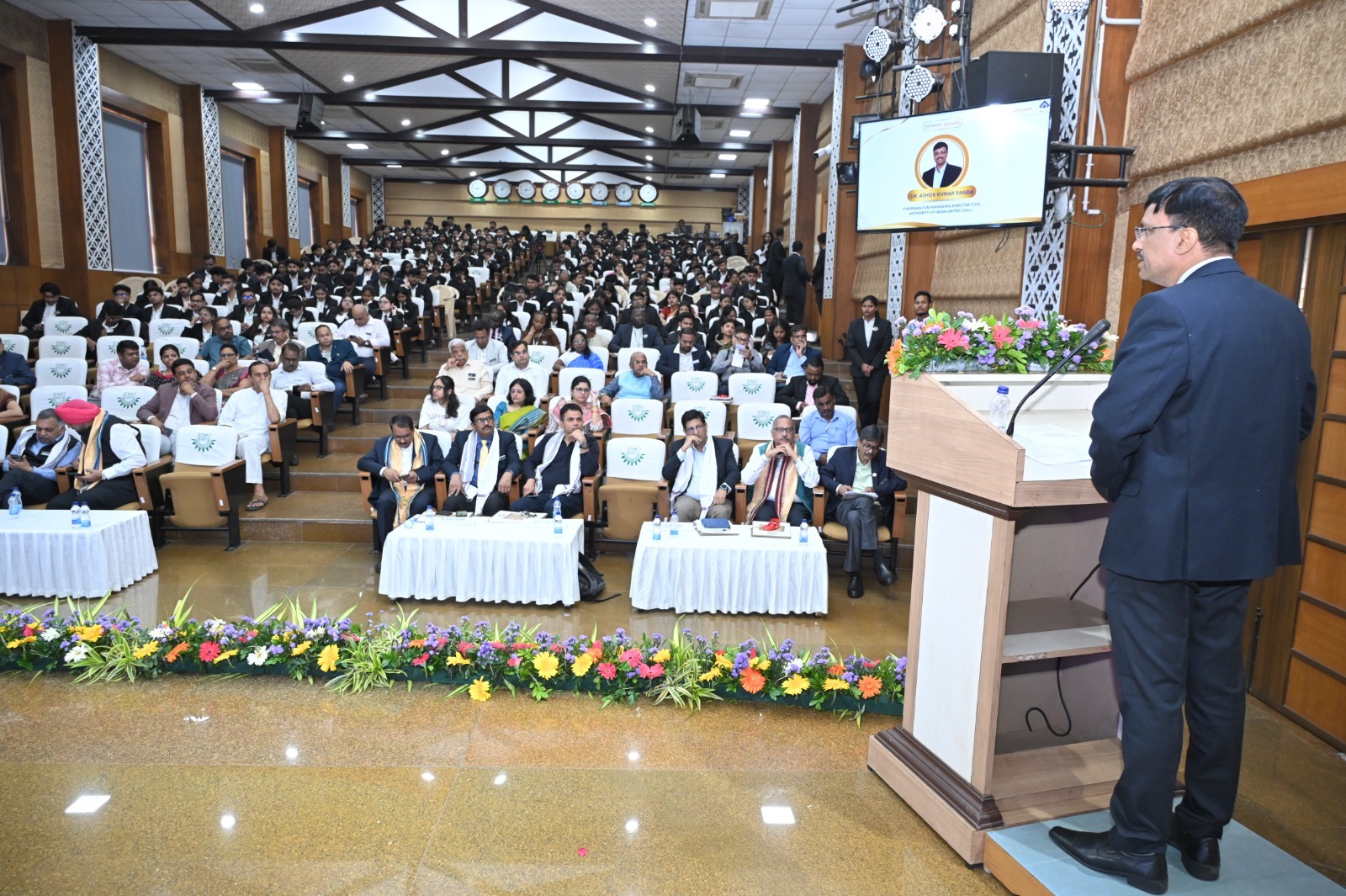
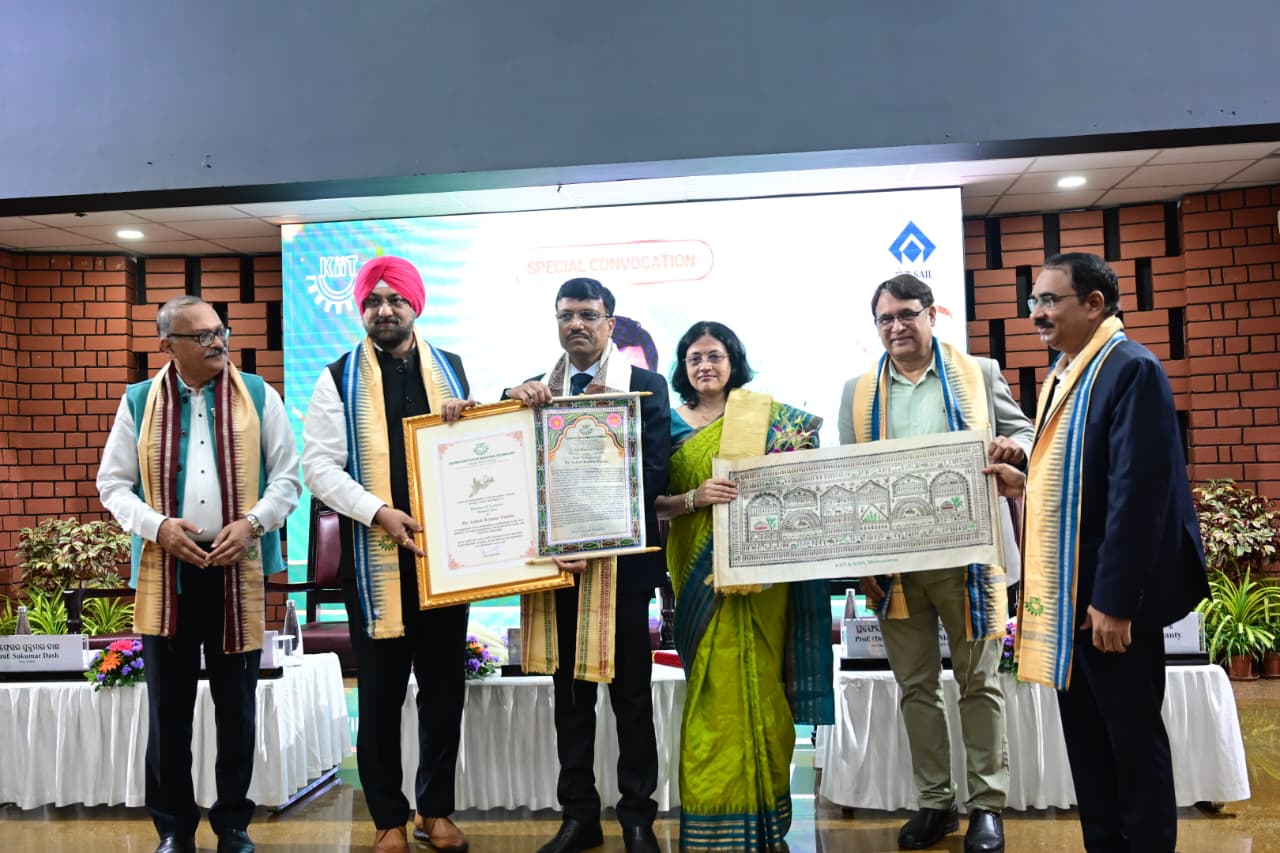
Dr. Ashok Kumar Panda, Chairman-cum-Managing Director, SAIL, who delivered the keynote address, emphasised the importance of strengthening the rural economy through value addition, food processing, modern supply chains, technology, entrepreneurship and rural industrialisation. He urged young professionals to take innovative solutions and technology to the grassroots and contribute to the creation of smart, prosperous rural communities.
Industry Perspectives on Sustainable Agribusiness
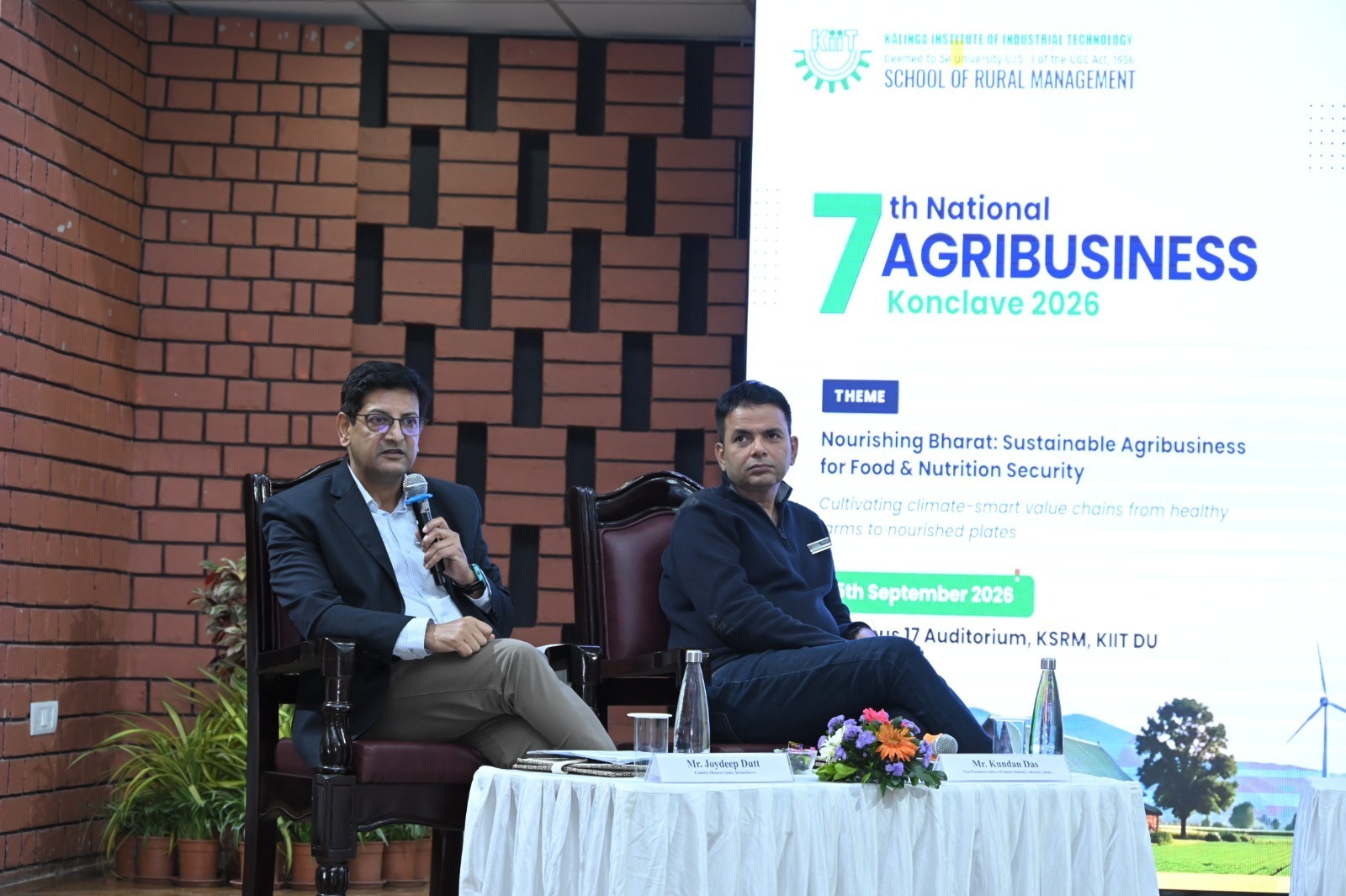
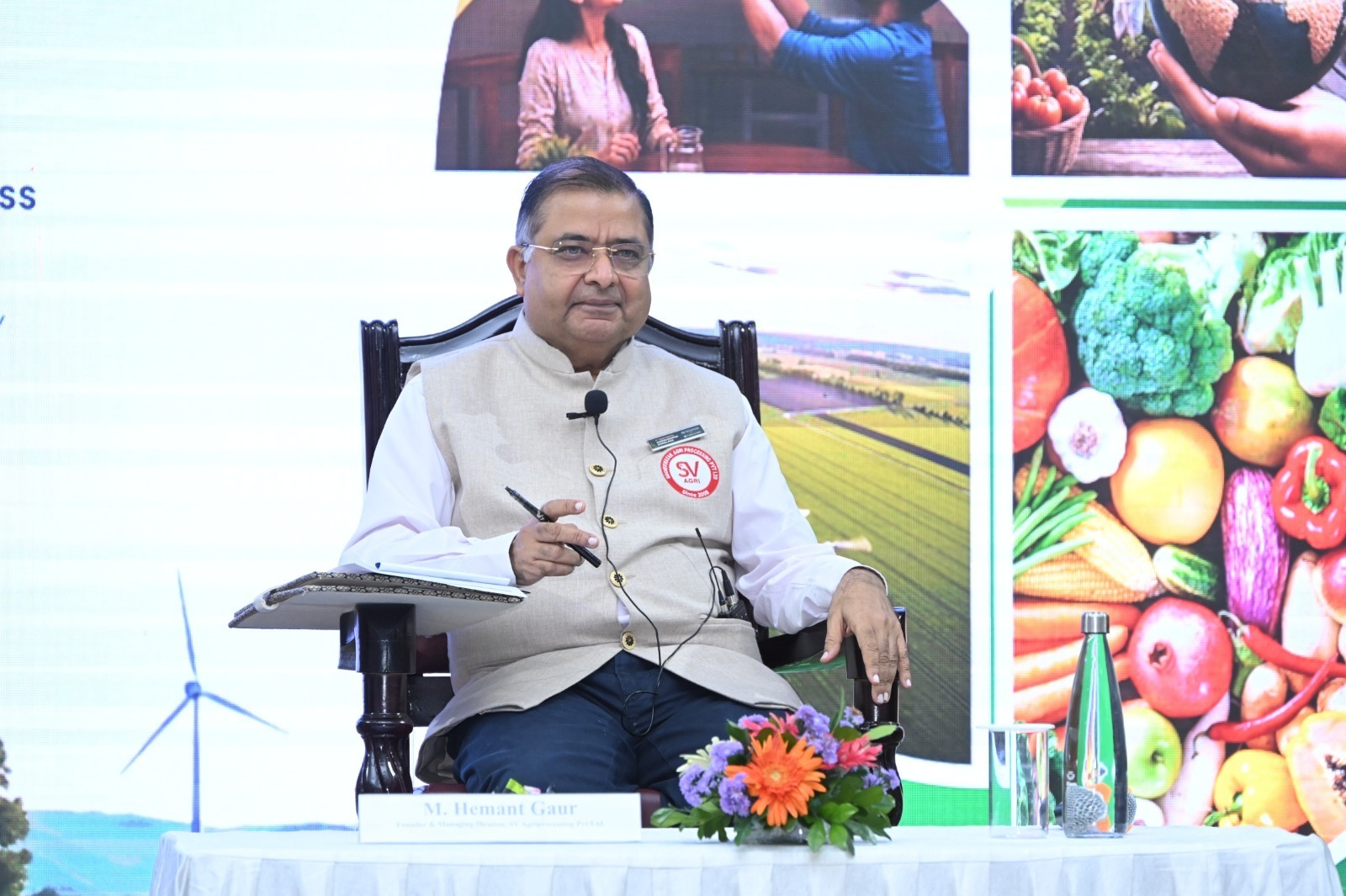
The panel discussion, moderated by Mr. Hemant Gaur, Founder & Managing Director, SV Agriprocessing Pvt. Ltd., brought together four distinguished experts.
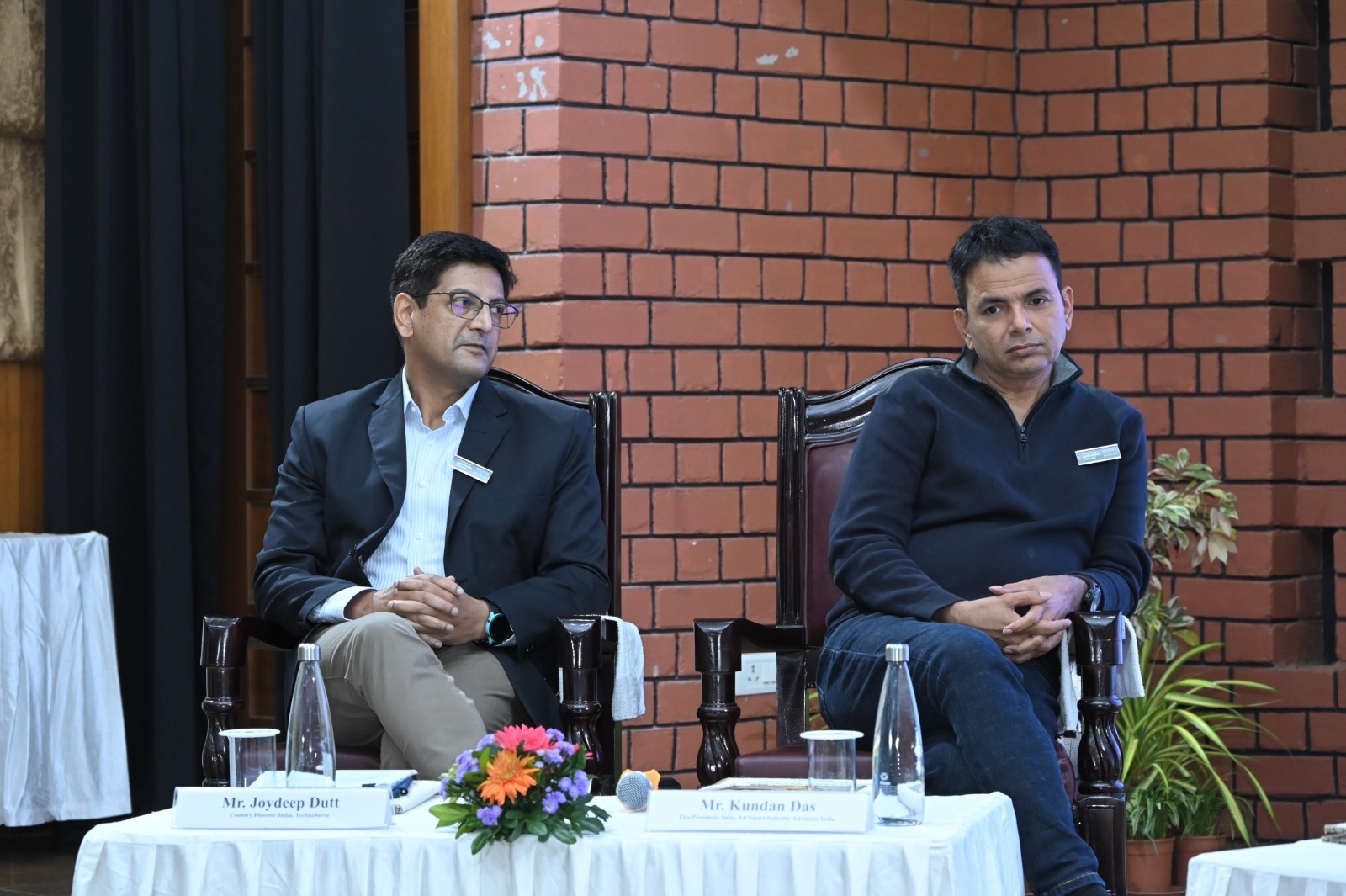
- Mr. Joydeep Dutt, Country Director – India, TechnoServe: Highlighted the importance of large-scale nutrition interventions, commercial food fortification and regenerative agriculture, demonstrating how business-led solutions can create measurable benefits for rural communities and smallholder farmers.
- Mr. Kundan Das, Vice President – Sales, 4.0 Smart Industry Advisory, India: Highlighted the emerging hybrid rural economy, with AI infrastructure, clean energy and digital technologies increasingly creating new opportunities beyond traditional agriculture, while demonstrating the potential of drones, IoT and precision technologies to improve farm efficiency.
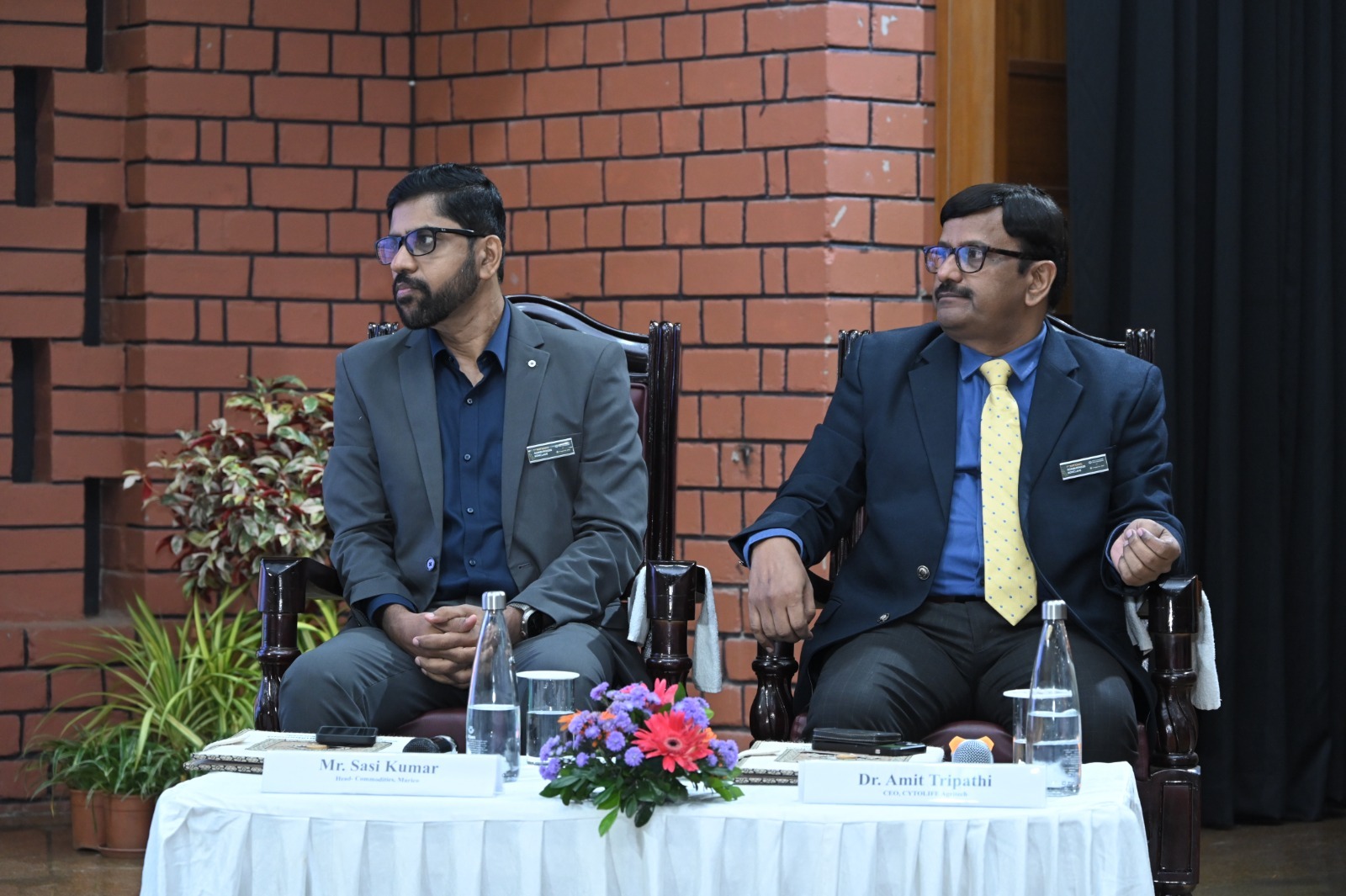
- Mr. Sasi Kumar, Head – Commodities, Marico: Presented the “Kalpavriksha” zero-waste agribusiness model, emphasising complete utilisation of agricultural resources, intercropping, local processing and improved farmer incomes as the foundation of economically and environmentally sustainable agriculture.
- Dr. Amit Tripathi, CEO, CYTOLIFE Agritech: Emphasised that healthy soil is fundamental to healthy food, advocating biological soil revival and bio-centric farming practices to restore soil health, improve yields and reduce dependence on costly synthetic inputs.
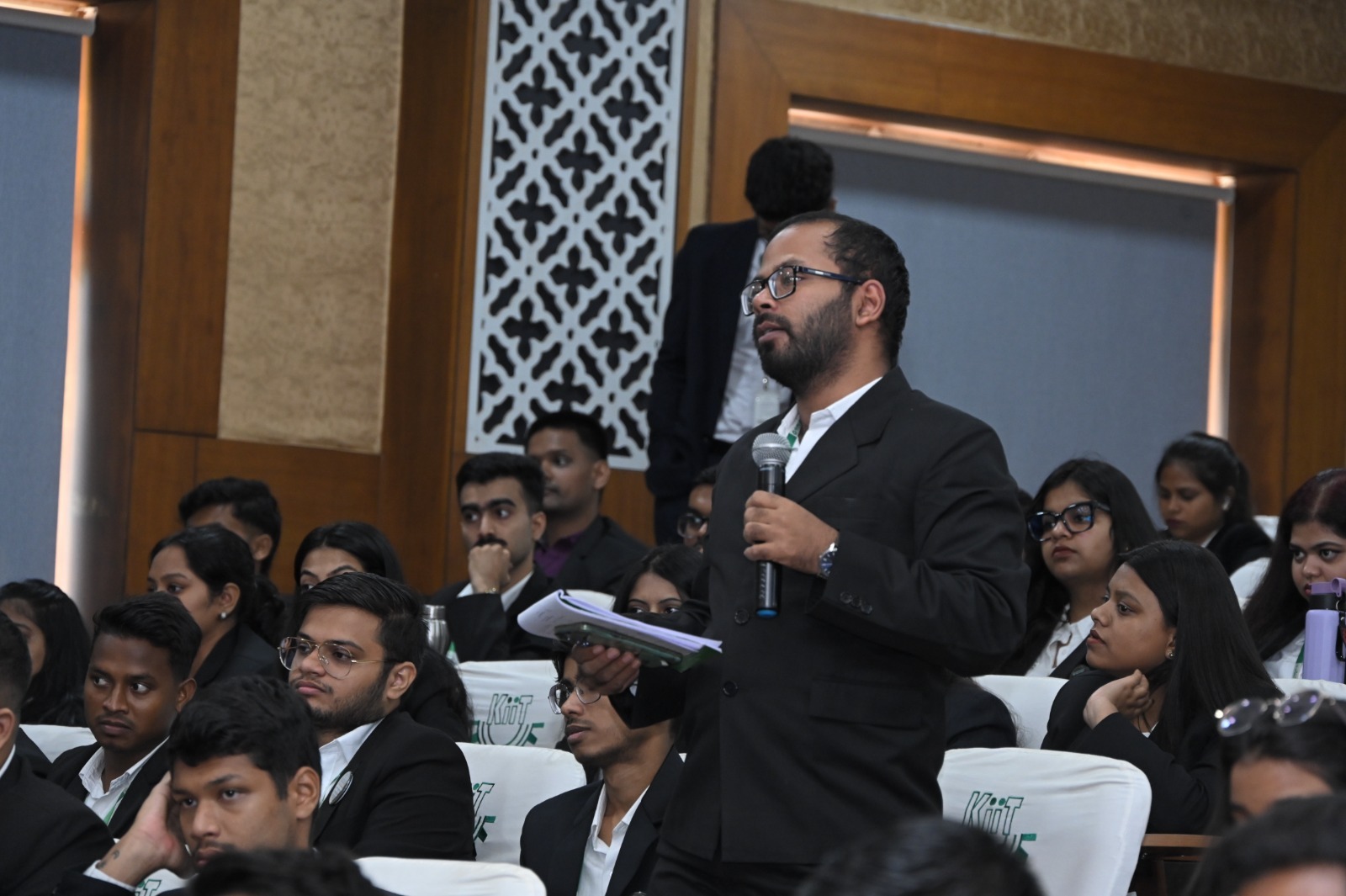
The discussions collectively underscored the need to integrate agriculture, nutrition, technology, sustainability and farmer economics to build a resilient agri-food system. The event concluded with an interaction between the experts, partner-organisation representatives and KSRM students, providing students with practical insights into emerging opportunities in rural and agribusiness management